The Grippiest Yoga Mat Surfaces: A Non-Slip Sourcing Guide for OEM Buyers
The grippiest yoga mat surfaces are open-cell natural rubber and cork; a matte polyurethane top layer sits just behind them, and glossy PVC holds the floor better than it holds a wet palm. If you are sourcing mats for studios where people sweat, decide the top layer first and the core second — that one choice does more for traction than thickness, weight or price. Printing Yoga builds all of these constructions as OEM products, so this guide compares them the way a buyer has to look at them: how they behave under a wet hand, how they take a custom design, and how they survive daily studio use. Buyers write the search a few different ways — non slip yoga mat, non-slip yoga mat, or yoga mat non slip — and they all mean the same thing: a top layer that keeps its bite once a palm is damp.
What actually makes a yoga mat non-slip
"Grippy" is two separate properties, and buyers who confuse them end up with returns. Floor grip is the underside staying put on hardwood or carpet. Top grip is your hand and foot not sliding when the surface is damp. A mat can be excellent at one and poor at the other, which is why product pages that quote only a material name are not enough detail to buy on.
- Open-cell surfaces (natural rubber, cork, moisture-absorbing polyurethane) drink up sweat, so friction rises as the practice heats up. They stain more easily and need cleaning routines.
- Closed-cell surfaces (PVC, TPE) repel moisture. They wipe clean in seconds and last through heavy rental use, but a film of sweat sits on top and floats the hand.
- Surface texture — matte, frosted, embossed or cork-grain — adds mechanical bite independent of the chemistry, and it is the cheapest variable to tune during development.
- Print chemistry — where the ink sits changes the feel of the area it covers, which is why the print method belongs in the grip conversation and not only in the artwork conversation.
For a wholesale programme, the practical consequence is that you should ask a factory for the top layer, the texture and the print method as three separate lines in the specification. Vague briefs are the main reason first samples disappoint.
Surface comparison for buyers
The table below covers the four constructions Printing Yoga produces most often. Dimensions and materials are the real specifications of the current catalogue products, not category averages.
| Construction | Real spec | Wet grip | Dry grip | Custom design method | Best fit |
|---|---|---|---|---|---|
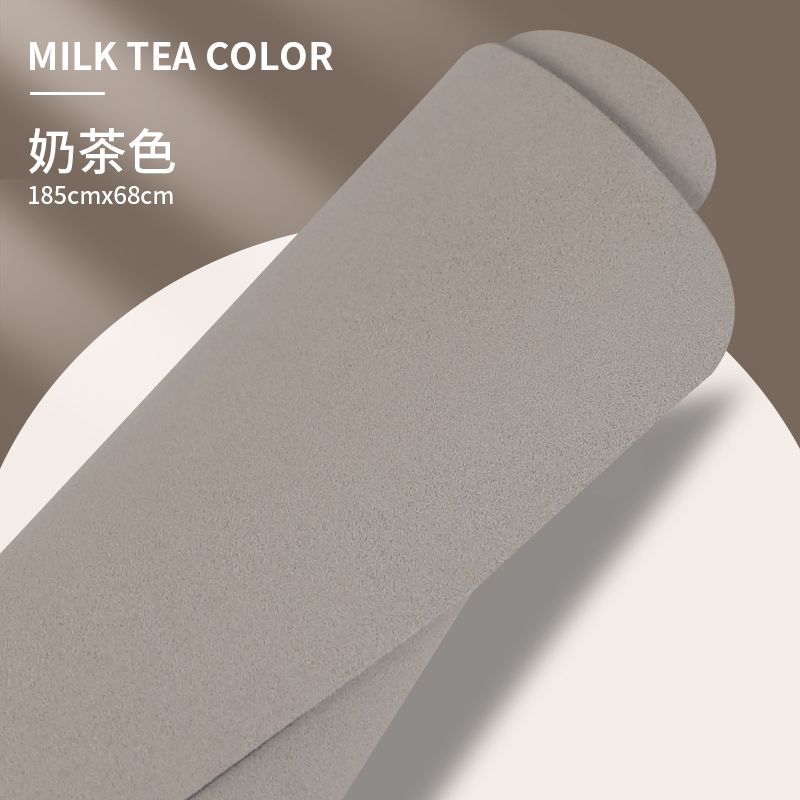
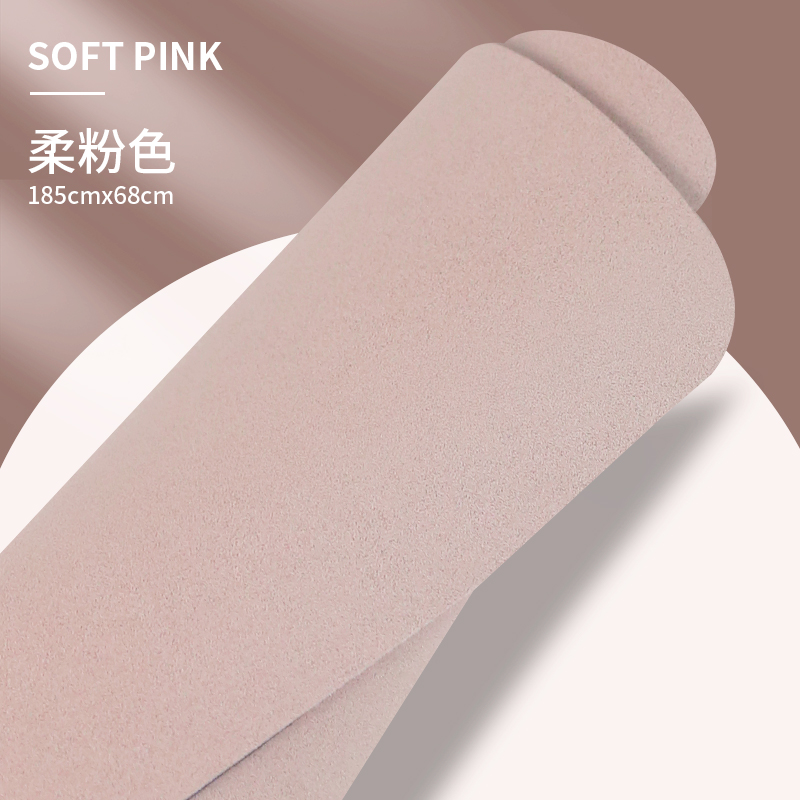
| Matte PU + rubber | Frosted PU + Rubber, 185*68*0.45cm, 2.9 kg, 5 colorways | High — the frosted face keeps biting as sweat appears | High | Laser printed alignment lines; single-colour bodies | Studio and premium retail lines that need one surface for every class type |
| Printed natural rubber | PU + Rubber, 185*68*0.45cm, 2.9 kg, 4 colorways | Medium to high, slightly lower over dense ink coverage | High | Latex printed alignment lines; full-surface artwork | Brands whose designs are the selling point |
| PVC | PVC, 183*61*0.6cm, 3 kg, 3 colorways | Low to medium — wipe the surface during long sessions | Medium | Laser printed alignment lines; solid colours | High-turnover rental, hotels, gyms, event giveaways |
| ColorBlock rubber and cork | PU Rubber/Cork, 97*57*0.45cm | High — cork grain firms up when damp | Medium, deliberately slick when bone dry | Colour blocking; laser marking | Pilates, kneeling work, travel and warm-up products |
If you… straight verdicts
If you supply hot yoga, Bikram or power studios, order the matte polyurethane and rubber build. Its frosted face is the closest thing in our range to a mat that improves as the room warms up, and the laser printed alignment lines are burnt into the material rather than laid on it, so nothing lifts under repeated towel wiping. See the matte natural rubber mat for the full specification.
If you need volume, low unit cost and easy cleaning, PVC is the honest answer. Hotels, gyms and event organisers rarely need championship-level traction; they need a wipeable 183*61*0.6cm mat with a wide colour choice that survives being stacked, hosed and handled by strangers. Our 6mm PVC mat exists for exactly that market.
If your brand sells on artwork, choose the printed natural rubber body and accept the trade-off consciously: full-surface designs look spectacular and the ink area feels very slightly smoother than bare rubber. Keep dense artwork away from the palm and heel zones and the difference stops mattering. The watercolour printed rubber mat shows how far full-coverage printing can go.
If you are buying for Pilates, kneeling work or a travel line, the 97*57*0.45cm cork and rubber colorblock is the right shape and the right surface; a full-length mat is wasted material for that use.
If you are supplying gentle, dry-hands styles in cool rooms — restorative, yin, chair yoga — do not pay for maximum wet grip. Open-cell surfaces feel tacky and drag on bare skin when there is no moisture to absorb, they need more careful cleaning, and they cost more. This is the one case where the grippiest option is the wrong purchase; a smooth PVC or a lightly textured rubber serves those students better.
Turning grip into an OEM specification
Once the surface is chosen, the rest of the brief is what separates a sample you can sell from one you argue about. We ask buyers to send these details up front so the first sample lands close:
- Top layer and texture — frosted, smooth, cork-grain or embossed, named explicitly rather than implied by a photo.
- Size and thickness — our standing mat formats are 185*68*0.45cm and 183*61*0.6cm; a 4.5mm body folds and travels better, a 6mm body cushions joints better.
- Alignment lines — laser printed lines are permanent and texture-neutral; latex printed lines allow colour and pair naturally with printed designs. Both are standard services here.
- Artwork files and coverage map — tell us which zones must stay bare so we can create a layout that protects the contact areas.
- Colourways — the matte body already runs in 5 colorways and the PVC body in 3, which is usually enough to launch without new tooling.
- Compliance — declare your destination market's testing standards early; retesting after production is the most expensive way to discover a problem.
- Packaging and delivery — strap, sleeve, box, carton marks and the delivery window, so capacity can be reserved against your dates.
Our team can help translate a rough idea into that list — send reference photos or a competitor sample and we will come back with the closest build we can offer from existing tooling, which is the fastest route to a high-quality first sample. Volume production is scheduled against reserved capacity so the sampling experience matches what happens during the main run, and we ensure the surface finish signed off on the sample is the finish that ships.
Frequently asked questions
Which yoga mat surface is the grippiest when I am sweating?
A frosted polyurethane face over a rubber body, with cork a very close second. Both are open-cell, so moisture is absorbed instead of pooling and traction climbs as a class heats up. Our matte build in 185*68*0.45cm is the version most studios settle on after testing samples side by side.
How do I choose between a natural rubber mat and a PVC mat for a custom order?
Follow the end user. Rubber wins on traction, feel and natural material story; PVC wins on price, cleaning speed and durability under rental abuse. If your buyers are practising members who own their mat, quote rubber. If the mats live in a gym cupboard and get shared, quote the PVC body at 183*61*0.6cm.
Does printing a design on the mat make it slippery?
Slightly, and only where the ink covers. Latex printing sits marginally smoother than bare rubber, which is why we map artwork away from the palm and heel contact zones on request. Laser marking removes the question entirely because it changes the material itself instead of adding a layer.
What should I order for hot yoga or Bikram classes?
An absorbent top layer, a full 185cm length so nothing hangs off during long holds, and either laser lines or no lines at all. Avoid glossy closed-cell tops in those rooms unless your students already practise with a towel over the mat.
Can you laser-engrave alignment lines instead of printing them?
Yes. Laser printed alignment lines are standard on both the matte rubber and the PVC bodies, and they cannot wear off because there is no coating to lose. Printed lines remain available when you want them in a brand colour to match your other products.
What should I check before ordering a non slip yoga mat in bulk?
Ask for the top layer, the texture and the print method in writing, then judge a sample with damp hands rather than dry ones. Most listings carrying that label — or the reversed wording yoga mat non slip — name only the material, which tells you nothing about how the face behaves once a palm is wet. The comparison table above is the short version of what a specification should state.
Ready to compare surfaces on real samples? Browse the mats above on Printing Yoga and send us the specification lines from this guide — that is all we need to start.