
Yoga Mat Reviews: What They Test and How to Spec It
Yoga mat reviews test a short and predictable list: grip when the surface is wet, cushioning under the knees, how the mat behaves after months of being rolled and unrolled, weight, and whether the print and the alignment marks survive cleaning. If you are sourcing mats rather than buying one, that list is useful in a different way — it tells you which specification details a reviewer will notice, and therefore which details belong in your OEM brief. Printing Yoga builds every quote around the same three decisions: material, size, and surface treatment. Get those right and a mat reviews well; leave them vague and the review writes itself against you.
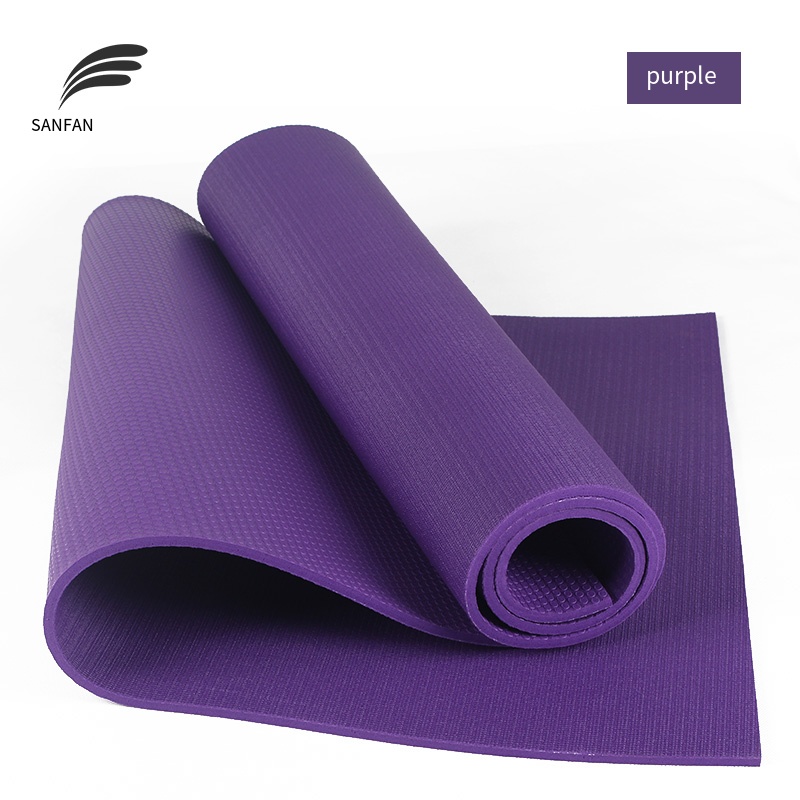
What yoga mat reviews actually measure
Reviewers rarely have laboratory equipment, so what they report is lived experience: does the mat slide during a sweaty flow, does it lie flat after storage, does the surface stay readable. Those are material questions in disguise. PVC behaves differently from Frosted PU + Rubber, and both behave differently from PU Rubber/Cork — so the first thing a review is really testing is a decision you made before manufacturing ever started.
The second thing reviews test is consistency. One good sample proves nothing; buyers care whether the tenth mat off the line matches the first. That is a question about production standards and factory capacity rather than about the mat itself, and it is the part a reviewer can only judge over time. We answer it by holding one set of standards across the whole range, so a wide catalogue does not mean a wide spread in quality.
If you… conditional verdicts
If you want a cushioning story that reads well in reviews, put the PVC 183*61*0.6cm mat at the front of your range. It is the thickest of the three surfaces here, and thickness is the attribute review readers translate as kind to knees. This is the mat to offer when your customers are beginners, or when the reviewers you care about practise slow and restorative styles.
If your reviews will come from studio teachers, lead with the Matte Nature Rubber 185*68*0.45cm mat. The longer, wider format and the matte surface are what experienced practitioners notice first, and a professional tier also gives reviewers something to compare your entry product against instead of judging it alone.
If your buyers train on reformers or in small rooms, the ColorBlock Rubber/Cork 97*57*0.45cm mat is the honest answer. Its short format is a deliberate design for pilates equipment, and reviewers who test it as a full-length yoga mat will mark it down for a length it was never meant to have. Say what it is for, and the review follows your framing rather than correcting it.
If the mat will be reviewed mainly on its printed artwork, do not specify a cork surface. Cork carries its own grain and colour, so fine designs lose contrast against it — that requirement excludes the cork route entirely. Specify a rubber surface with latex printing instead, and let cork compete on feel rather than on print. We would rather rule it out at brief stage than after tooling.
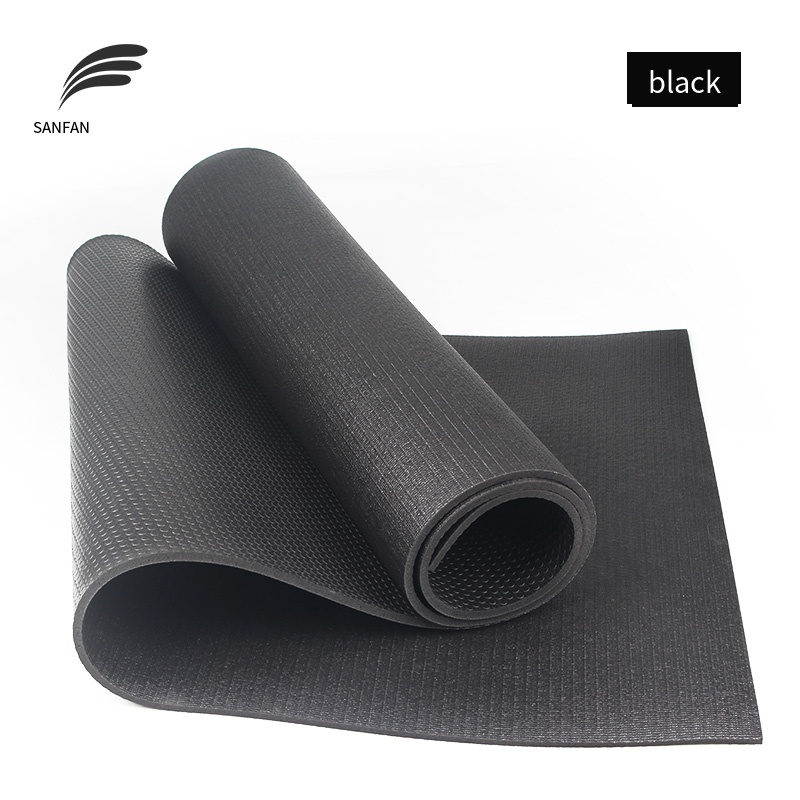
Comparison: three reference mats against review criteria
| Product | Material | Size | What a reviewer tends to praise | What a reviewer tends to flag |
|---|---|---|---|---|
| PVC Premium Yoga Mat | PVC | 183*61*0.6cm | Thickest surface of the three; forgiving under knees and wrists | The narrowest and shortest of the full-length formats offered here |
| Matte Nature Rubber Professional Mat | Frosted PU + Rubber | 185*68*0.45cm | Matte hand-feel and the roomier format teachers ask for | Thinner than the PVC option, so less padding on hard floors |
| ColorBlock Rubber/Cork Mat | PU Rubber/Cork | 97*57*0.45cm | Cork surface and a format built for pilates equipment | Too short for full-length flows if it is reviewed as a yoga mat |
How to turn review criteria into a specification
Write the brief the way a reviewer reads the mat. Name the material, name the size, name the surface treatment, and say what the mat is for. Vague briefs create products that test badly in exactly the places reviewers look hardest. If your designs are already drawn, send them with the brief — our OEM services team can help you decide which surface each design needs before samples are cut, which is a great deal cheaper than learning it from a published review.
Two details are worth pinning down early. First, quantities and delivery: we quote both against your actual order and product mix rather than publishing one figure, so ask us for dates on the mats you actually want. Second, sampling — approving a physical sample is the only way to ensure that what you signed off is what ships, and it is the step that protects you once reviews start arriving. Our manufacturing capacity covers all three surfaces above, so a mixed range does not mean a mixed set of suppliers or a wide gap in standards between products.
FAQ
What do yoga mat reviews actually test?
Grip on a wet surface, cushioning, how the mat holds up after long use, weight, and whether printing and alignment marks survive cleaning. Every item on that list traces back to material, size and surface treatment — which is why those three belong in the brief rather than being left to the factory to assume.
Which mat should I lead with if I want good beginner feedback?
The PVC 183*61*0.6cm option. It is the thickest of the three surfaces here, and new practitioners judge comfort before anything else. Pair it with a professional tier so buyers can see a route upward within your own range.
Do printed mats review worse than single-colour ones?
No, but they are judged on different things. A printed surface is assessed on how the artwork holds up and how the alignment marks read against it; a plain surface is assessed on material feel. Choose the route that matches what your customers are buying, and the feedback follows.
What is the minimum order quantity and lead time for these mats?
We do not publish a single figure for either, because both depend on the product mix, the artwork, and the season you are ordering into. Send us the specific items from the table above and we will confirm quantities and delivery dates against your own order.
How do I make sure production matches the sample that was reviewed?
Approve a physical sample, keep it, and hold the line against it. Our standards and our capacity are the same across every surface above, so the sample you sign off is the reference for the run — ask for it in writing as part of the brief.
Ready to specify? Compare the three mats above on Printing Yoga, or send us your designs and we will tell you which surface each one needs.