Hot Pilates Mats: When Cushion and Wet Grip Pull Apart
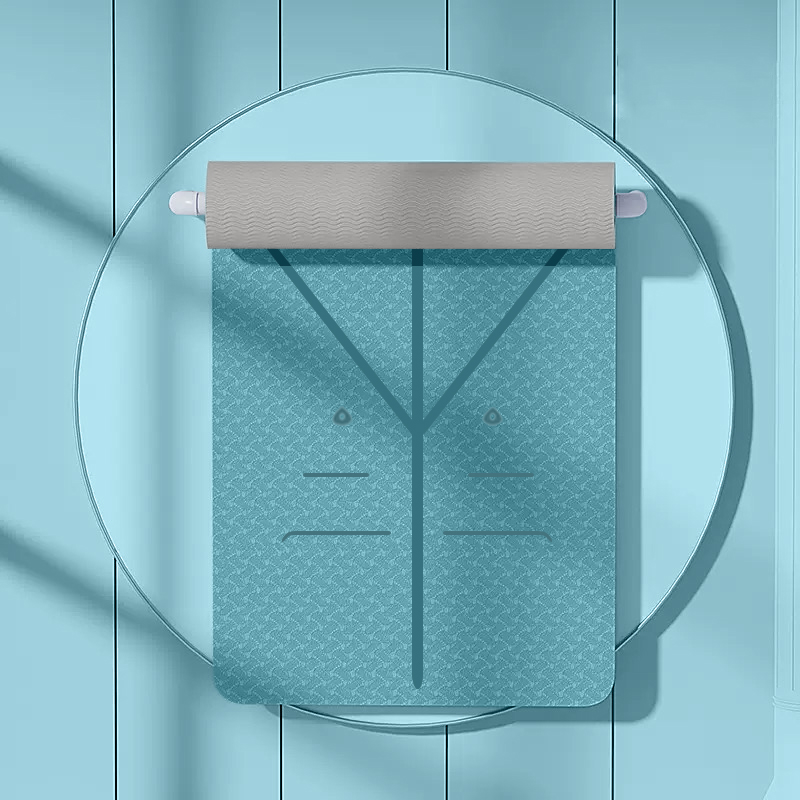
Heated mat Pilates asks one mat to do two jobs that fight each other: cushion a spine that rolls through every exercise, and stay grippy once sweat is sitting on the surface. Most decks are good at one of them. A TPE deck at 183*61*0.8cm gives you the height that bridging, roll-ups and side-lying work want, and it is the surface that turns slick first when a room is heated. A frosted PU over natural rubber deck at 185*68*0.45cm keeps working wet and is much thinner under the hips. At Printing Yoga we make all three decks below as factory-direct OEM products, so this is a specification you set rather than a catalogue you shop.
Why heated Pilates breaks the usual mat rule
Hot yoga and hot Pilates fail in different places. In a heated yoga room the complaint is hands sliding forward in a standing or plank shape, so wet grip under the palm decides everything. In mat Pilates the body spends most of the class on the floor — spine, sacrum, shoulder blades, elbows and the back of the head all take load — so the complaint is a bruised tailbone on a deck that is too thin. Put Pilates in a heated room and you inherit both complaints at once, plus a third: the contact area is now the practitioner's back, so sweat spreads across the whole deck instead of pooling under four points.
That is the whole design problem, and it is why buyers who simply order the thickest mat they can find end up with stock instructors quietly stop using. Height is bought from foam-like materials, and foam-like materials hold a film of water on top. Wet grip is bought from a frosted, open surface texture that lets moisture sit inside the texture instead of forming a film — and that texture is produced on thinner natural rubber decks. Nothing about that is a manufacturing shortcut. It is what the two materials are.
If you are choosing a deck for a heated Pilates timetable
If your classes are heated and floor-based from the first minute to the last, specify the TPE deck at 183*61*0.8cm and plan for a towel or a washable top layer rather than trying to solve grip with the deck alone. The height is what protects the spine during long supine sequences, and at 0.95kg per mat your teachers can reset a studio floor quickly between sessions.
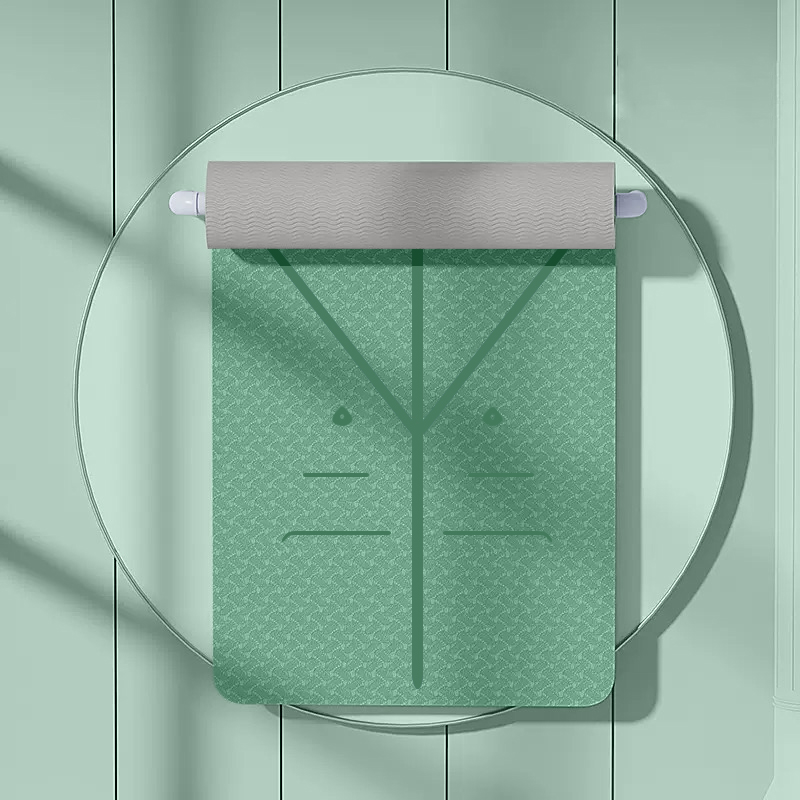
If your timetable mixes heated Pilates with standing yoga shapes, specify the frosted PU and rubber deck at 185*68*0.45cm. It is the build that holds grip when the surface is wet, the extra width helps during side-lying and twisting work, and the laser printed alignment lines give instructors a shared reference when they cue a room. Expect it to feel firm: at 2.9kg it is a dense deck, not a cushion.
If you are outfitting fixed floor stations rather than a full mat per person, the ColorBlock rubber and cork pad at 97*57*0.45cm is the right footprint. A cork face grips when damp and a compact pad is easier to store, wipe and rotate through a busy schedule than a full-length deck.
If a supplier tells you one deck delivers maximum cushioning and maximum wet grip, treat that as a reason to stop the conversation. No material we manufacture does both at the top of its range, and we would rather say so before tooling than explain it after your first container lands. The honest version of the answer is that you choose which failure you can live with, then design the rest of the kit around it.
Three production decks compared
These are real specifications from our own manufacturing range, not illustrative numbers:
| Deck | Surface | Dimensions | Roll weight | Where it wins in a heated room |
|---|---|---|---|---|
| TPE double color premium mat | TPE | 183*61*0.8cm | 0.95kg | Cushion for supine and rolling work; pair with a towel for grip |
| Matte natural rubber professional mat | Frosted PU + Rubber | 185*68*0.45cm | 2.9kg | Wet grip and width; firm underfoot, laser printed alignment lines |
| ColorBlock rubber and cork pad | PU Rubber/Cork | 97*57*0.45cm | Compact pad format | Fixed floor stations; cork face stays grippy when damp |
Read the table as three answers to three different timetables rather than a ranking. A studio running six heated mat classes a day and a retail brand selling one mat to one practitioner do not have the same problem, and the deck that solves one will disappoint the other.
What to lock in the specification
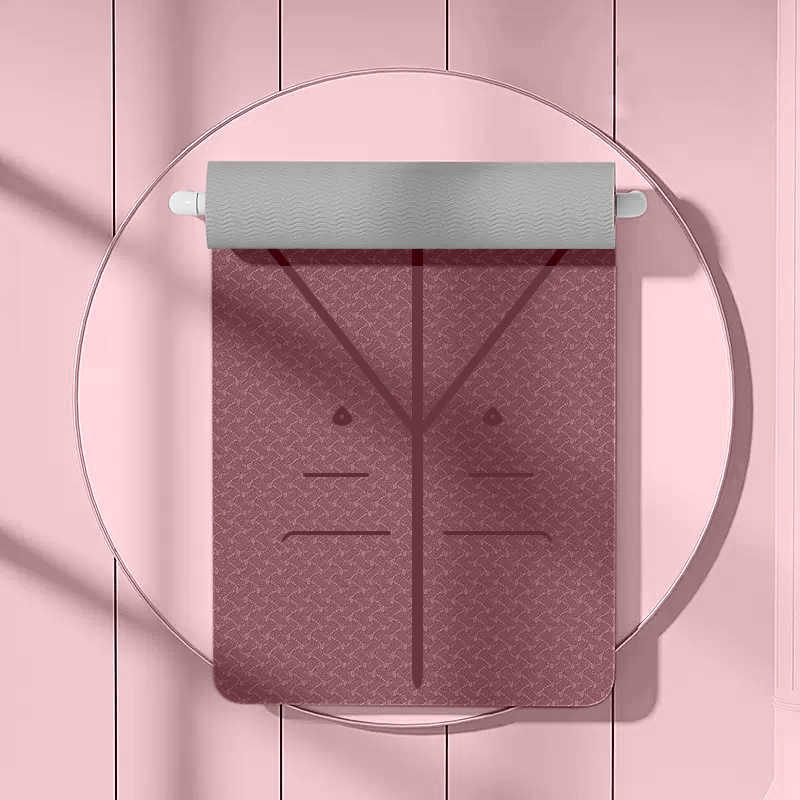
Our services cover the mat from artwork to delivery, so the details worth settling early are the ones that change tooling rather than the ones you can adjust later. Fix the surface material first, because it decides grip and cushion together. Fix the deck height second. Fix the footprint third — a full-length deck and a station pad are different products, not two sizes of one product. Then choose how alignment lines are applied: laser printed lines sit in the surface, and that matters more in a heated room, where a line printed on top of a deck has sweat and skin passing over it in every class.
Two things we ask buyers to decide before a bulk run. The first is whether the mats will be personal property or studio loaners, because a loaner deck is cleaned several times a day and that cadence, not the practice, is what sets its service life. The second is your own cleaning standards — send us the protocol you intend to publish and we will tell you plainly which of these surfaces survives it. We would rather lose a line item than have you discover the answer in month three.
On the commercial side: we can create your own designs, colors and alignment-line layout across the range, and the TPE deck carries a minimum order quantity of 1, which makes a genuine trial order possible before you commit production capacity. Sampling is not a formality here. Cushion and grip are judged by body weight on a floor, not by a number on a page, so we send physical samples and ask your instructors to teach a real class on them. The difference between a high-quality deck and an adequate one shows up in that hour, and no specification sheet will make the decision for you.
Frequently asked questions
Is a hot Pilates mat different from a hot yoga mat?
In practice, yes. A hot yoga mat is judged almost entirely on wet grip under the hands and feet. A hot Pilates mat is judged on what the spine, sacrum and elbows feel during floor work, with wet grip as a second requirement. That is why the answer for a heated Pilates timetable often lands on a different deck than the one a heated yoga studio would choose.
How thick should a mat for hot Pilates be?
Thicker than a yoga deck, up to the point where stability starts to suffer. The TPE build at 183*61*0.8cm is the cushioning option in our range; the 185*68*0.45cm natural rubber build is the firm option that trades height for wet grip and width. If your classes include standing balance work, do not go taller than you need — the floor still has to feel like a floor.
Do we need towels if we buy a good enough mat?
If you run genuinely heated classes, plan for a wear layer regardless of the deck. Sweat spreads across the whole surface in floor work, and a washable layer between body and mat is what keeps the deck itself out of a daily wash cycle. We manufacture mats, meditation cushions and activewear, not towels, so this is advice rather than an upsell.
Can we order a small trial before a bulk run?
Yes. The TPE double color deck carries a minimum order quantity of 1, so you can put a real mat in front of your instructors before committing. We would rather help you rule a deck out at sample stage than ship a container of a surface your timetable does not suit.
What does the factory need from us to start?
Material, height, footprint, alignment-line method, colorway and your artwork if the range is printed. Send those details and we can quote, sample and schedule production; send only an adjective like premium or non-slip and the first sample will be a guess. Clear inputs are what make delivery dates hold.
Printing Yoga is a factory-direct OEM and ODM manufacturer of yoga mats, meditation cushions and yoga activewear. If you are planning a heated Pilates range, tell us how the room runs and we will tell you which of these builds fits it.