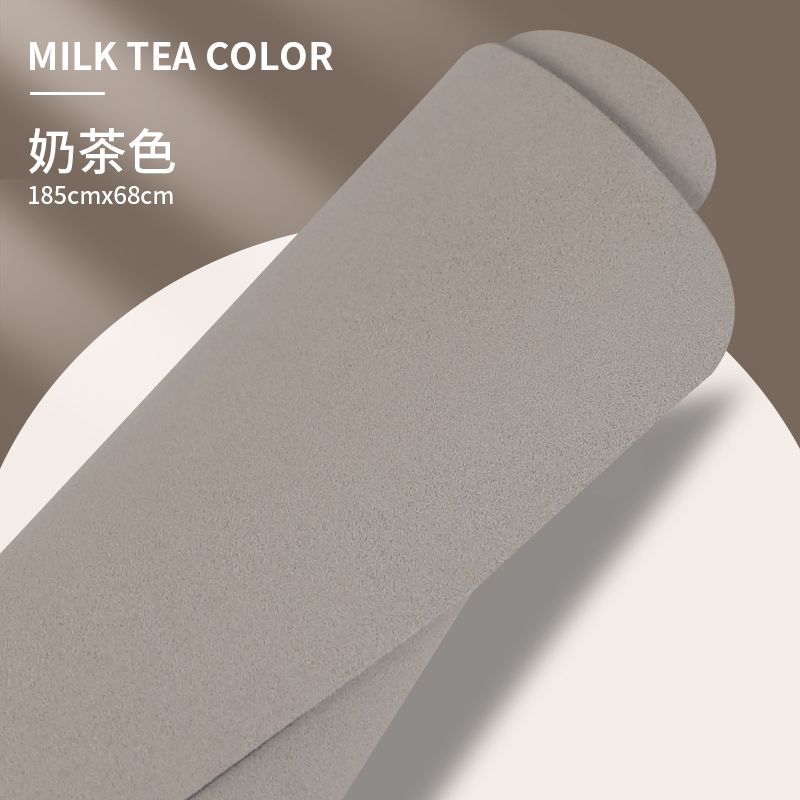
The best yoga mat is not one model - it is the model whose base material, thickness, surface finish and line-printing method match the practice it is bought for. When a brand sources OEM stock, "best rated" stops being a review score and becomes four spec decisions you sign off before production. This guide shows how Printing Yoga reads those four specs across its own rubber, PVC and cork mat products, so you can create a range that survives real studio use instead of one that only looks good in a catalogue.
The four specs behind every "best yoga mat" list
1. Base material. Natural rubber blends grip better once a practitioner starts sweating; PVC is denser and more dimensionally stable; cork gives a dry, textured face. Printing Yoga runs Frosted PU + Rubber, PU + Rubber, PVC and PU Rubber/Cork as standard, which covers the wide majority of retail and studio briefs without a bespoke compound.
2. Thickness. Thickness is a trade-off, not a quality ladder. A 0.45cm rubber mat keeps balance work stable; a 0.6cm PVC mat adds cushioning for knees and wrists; a 0.15cm foldable mat exists for travel and events, not for daily floor work.
3. Surface finish. Matte and frosted faces hold grip under sweat. Glossy or heavily coated faces photograph well but get slippery fast - a detail that decides your return rate more than any other single choice.
4. How the lines and artwork are applied. Laser printed alignment lines are burned into the surface and do not sit on top of it; latex printed artwork carries full-colour designs. Both are offered by Printing Yoga, and the choice changes how the mat ages.
Spec comparison across five production models
| Model | Material | Size (cm) | Surface and line method | Best suited to |
|---|---|---|---|---|
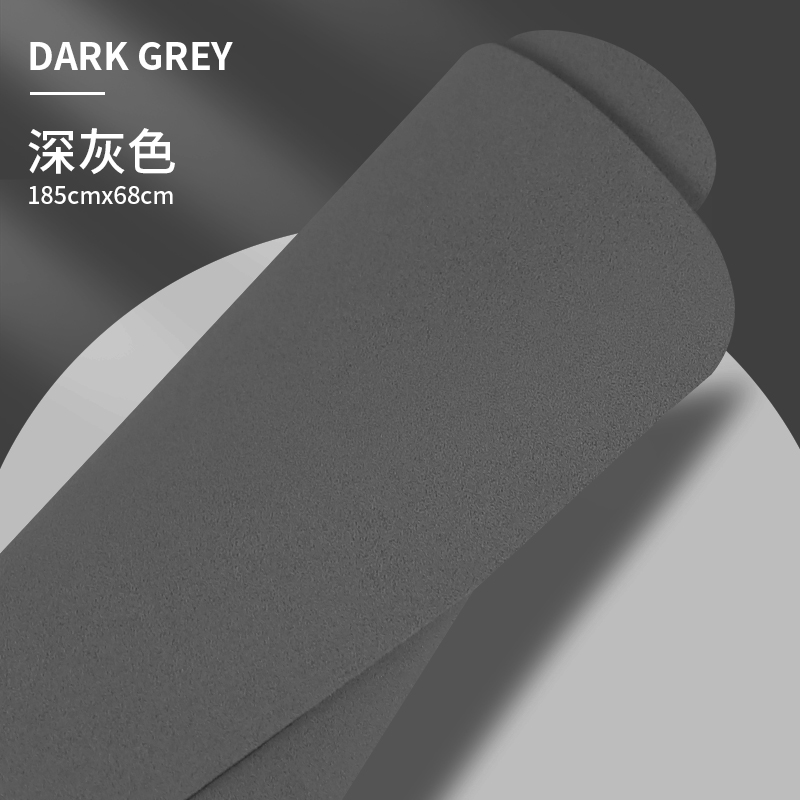
| Matte Nature Rubber Professional Mat | Frosted PU + Rubber | 185*68*0.45 | Matte face, laser printed alignment lines | Hot and power yoga ranges where sweat grip decides reviews |
| PVC Premium Mat | PVC | 183*61*0.6 | Laser printed alignment lines, thickest cushion of the five | Studios and rehab classes needing joint padding |
| Watercolor Printed Rubber Mat | PU + Rubber | 185*68*0.45 | Latex printed artwork plus printed alignment lines | Design-led retail products and seasonal drops |
| Foldable Matte Rubber Mat | Frosted PU + Rubber | 185*68*0.15 | Matte face, laser printed lines, folds flat | Travel SKUs, event and retreat giveaways |
| ColorBlock Rubber/Cork Mat | PU Rubber/Cork | 97*57*0.45 | Single colour cork face, colour-blocked | Pilates, kneeling and small-footprint floor work |
If you are choosing today: conditional verdicts
If you are building a hot yoga or power yoga range, specify the Frosted PU + Rubber matte face at 185*68*0.45cm. A matte rubber surface keeps its bite when the mat is wet, which is the single complaint that drags a top rated yoga mat down to a two-star review.
If your buyers are studios that supply mats to members, the PVC model at 183*61*0.6cm is the safer call. The extra thickness protects knees and wrists during long teaching blocks, and PVC tolerates daily wipe-downs with studio cleaning products better than a printed rubber face.
If your line is design-led and sold on visuals, choose the latex printed rubber mat and put your artwork budget there. Latex printing carries full-colour designs that a laser-engraved line simply cannot reproduce.
If you need one mat that travels, the foldable 185*68*0.15cm model folds instead of rolling, which is what makes it fit a carry-on - accept that it trades cushioning for that capacity.
Exclusion - if your programme depends on a full-length mat, do not choose the 97*57*0.45cm ColorBlock Rubber/Cork model. It is built for pilates and kneeling work, and buyers who expect a standard practice length will return it no matter how good the cork face feels. Match the size to the class, or the review score decides for you.
What to verify during sampling
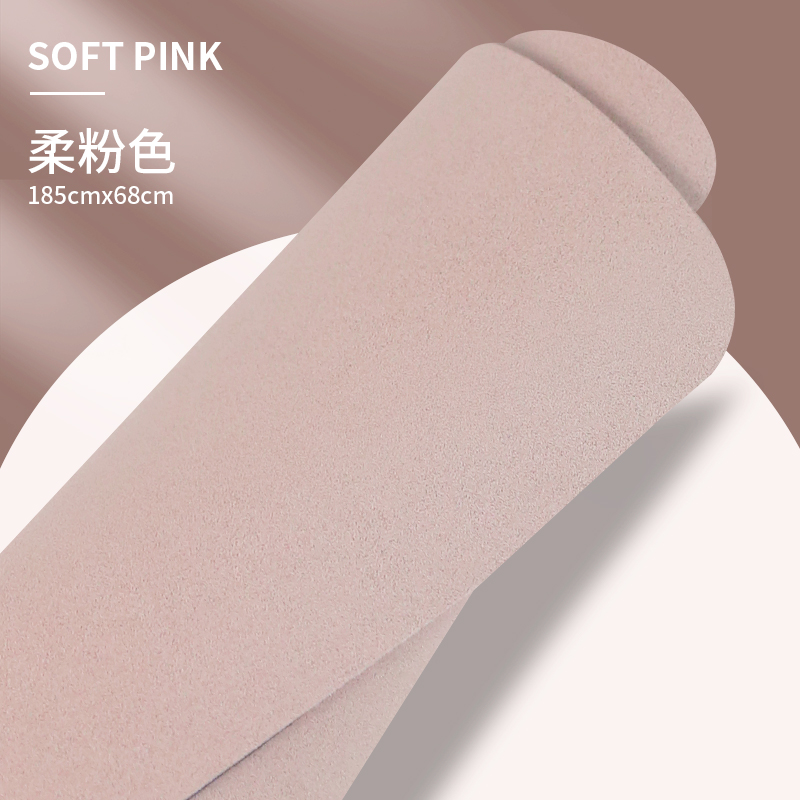
A good yoga mat is proven on the sample table, not in the spec sheet. Ask for the details in writing and check them yourself: measured thickness at the centre and at the edge, wet-grip behaviour after five minutes of contact, edge curl after the sample has been rolled for a week, and colour hold on the printed face. Printing Yoga supplies OEM and ODM services across the mat range above, so the same checks apply whether you order a stock colourway or a custom print, and the factory can help you convert a mood board into production-ready designs.
Two commercial points matter as much as the material. First, confirm which national or market standards your destination requires for the finished goods, and that the tested item is the exact construction you are buying - not a similar one. Second, agree how sampling, bulk production and delivery are sequenced, because production capacity is booked in advance and a late artwork sign-off moves the whole schedule. Settling both early is what turns a one-off order into a repeatable, high-quality supply experience.
FAQ
Which yoga mat material is actually the best?
There is no universal winner. Natural rubber blends grip best under sweat, PVC gives the most consistent cushioning and cleaning tolerance, and cork gives a dry textured face for pilates. Pick by practice type first, then by look. Printing Yoga runs all three, so a single supplier can cover a wide catalogue.
Is a thicker yoga mat always better?
No. Thicker mats cushion joints but reduce stability in standing balance poses. The 0.6cm PVC model is the cushioned option in this range, the 0.45cm rubber mats are the balanced default, and the 0.15cm foldable mat is a travel product rather than a daily one.
Do printed designs on a top rated yoga mat wear off?
It depends on the method. Laser alignment lines are formed in the surface itself, so they do not lift with use. Latex artwork sits as an ink layer on top, which is what allows full-colour designs - the right choice for retail visuals, and it should be tested on your own sample before you commit to a bulk run.
What size should a good yoga mat be?
Standard practice mats in this range are 185*68cm or 183*61cm. The 97*57cm cork model is deliberately shorter because it targets pilates and kneeling work, so do not list it as a general-purpose mat.
Can we put our own logo and artwork on these models?
Yes. Every mat above is available as an OEM or ODM product, with logos applied by laser printing or by latex printing depending on the finish you want. Send the artwork and the target market, and the factory will confirm which method your design is suited to before sampling starts.
Ready to spec your own range? Browse the full mat catalogue at printingyoga.com and shortlist two models from the table above - one grip-led, one cushion-led - then sample both against the checks in this guide.