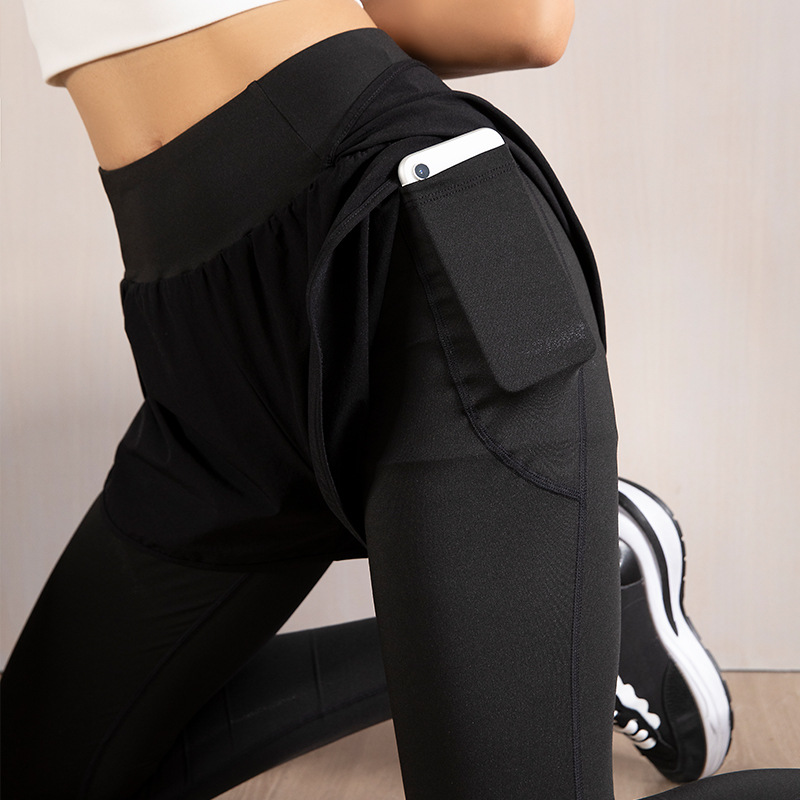
Hot yoga activewear is a fabric problem before it is a design problem. Pieces that survive a heated room are high-elasticity polyester-spandex knits with mesh ventilation, flat seams and dye that stays put when the garment is soaked. At Printing Yoga we build hot yoga capsules on knits already running in production: a two-layer quick-dry pant at 94% polyester fiber and 6% spandex outside, a bra shell at 82.5% polyester fiber and 17.5% spandex, and a half-zip top at 88% polyester fiber and 12% spandex. This guide gives brands and studios the details that decide whether a heated-class capsule works, and the conditional rules we apply on a sourcing call.
What "hot yoga ready" actually means on a tech pack
Buyers usually arrive with a mood board and a fit reference. What our pattern room needs instead is four lines: shell composition, mesh composition and placement, seam construction, and colour standards. Everything else — logo position, packaging, delivery window — follows from those. A heated room punishes a garment in three specific ways, and each maps to one of those lines.
First, sweat volume. Fabric that holds water sags, goes see-through and chafes. That is why every hot yoga knit we offer is a polyester-spandex blend: polyester fiber moves moisture along the yarn instead of soaking into it. Second, stretch recovery. Repeated deep hip opening at body temperature stretches a low-spandex knit permanently, so the pieces designed for heat carry a higher spandex share. Third, colour. Heat plus sweat plus friction is the worst-case test for dye migration, and it is the single most common complaint we help new brands design out before their first bulk run.
The three knits we run, side by side
These are live catalogue products, not a theoretical range. Each one can be produced in your colours with your artwork; the compositions below are what our sampling team will quote against.
| Piece | Shell composition | Mesh or second layer | Best for in a heated room |
|---|---|---|---|
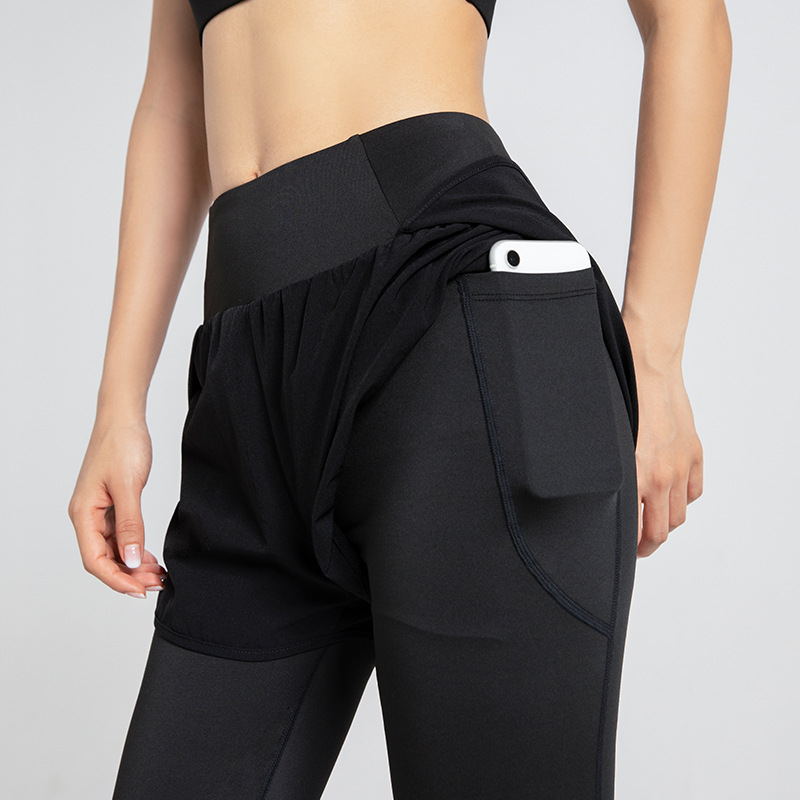
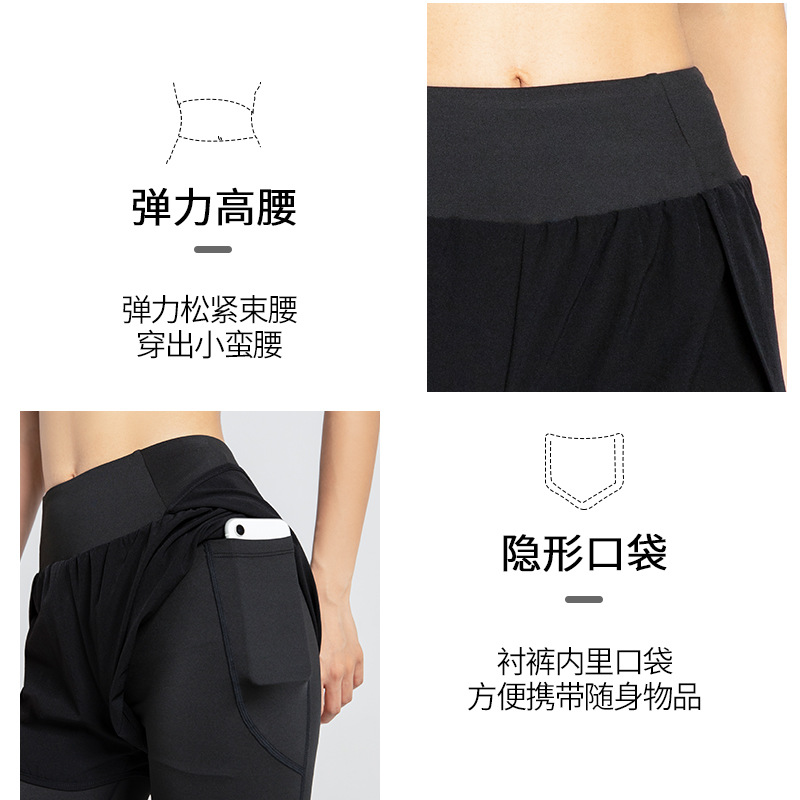
| Peach Quick-Dry Pants - Model 01 | Outer layer: 94% polyester fiber, 6% spandex | Inner layer: 90% polyester fiber, 10% spandex | Full-length coverage where sweat has to be pulled off the skin and held away from it |
| Oreo Peach V-neck Bra | Outer layer: 82.5% polyester fiber, 17.5% spandex | Mesh fabric: 94% polyester fiber, 6% spandex | Highest stretch share of the three; support that still recovers after deep backbends |
| Peach half-zip short-sleeved shirt | Fabric: 88% polyester fiber, 12% spandex | Mesh net: 89% polyester fiber, 11% spandex | Layering piece with a zip the wearer can open during the hottest part of class |
Read the table as a spectrum rather than a ranking. The bra shell at 17.5% spandex is the stretchiest and the most forgiving across body shapes; the pant outer at 6% spandex is the most stable and the least likely to bag out at the knee. The half-zip top sits between them, which is why it is the piece most brands create first when they want one garment to cover heated and unheated classes.
If you are specifying a hot yoga capsule: conditional verdicts
These are the rules we give buyers before a single sample is cut.
- If your customers complain that leggings go transparent or cling, specify the two-layer construction used in the quick-dry pant — a 94% polyester fiber, 6% spandex outer over a 90% polyester fiber, 10% spandex inner. A single-layer knit at the same weight will always wet out faster, and no finishing service fixes that after the fact.
- If you are launching with one hero product, start with the bra. At 82.5% polyester fiber and 17.5% spandex it fits the widest range of bodies, needs the fewest graded sizes, and carries a minimum order quantity of 300 pcs — the lowest commitment of the three if you want to test a market before you scale capacity.
- If your brief calls for cotton, hemp or bamboo jersey, we are not the right factory for it. Every hot yoga knit described here is a polyester-spandex blend by design. Natural fibres hold water in a heated room, and we would rather say so than sell you a high-quality garment that fails in the format you built it for.
- If you need mesh panels in a non-standard position, send the placement on the tech pack rather than in a reference photo. Mesh is a separate fabric with its own shrinkage, and our pattern room needs to compensate for it during grading, not after the first fit sample.
Mesh, seams and colour: where the samples are won or lost
Mesh is the part buyers under-specify most often. In the bra it is a 94% polyester fiber, 6% spandex net; in the half-zip top it is 89% polyester fiber and 11% spandex. Those are different fabrics with different hands and different stretch, and swapping one for the other changes the fit even when the pattern is identical. Tell us which effect you want — airflow, a layered visual, or both — and we will match a mesh from stock or develop one.
Seams matter just as much. For heated classes we default to flat construction at the inseam and under the arm, because a raised seam plus sweat plus repetition is how chafing starts. If your designs rely on a decorative overlock, we will flag the trade-off rather than quietly build it.
Colour is where the extra sampling round pays for itself. Ask for a wash-and-wear test on the actual shell fabric, not on a swatch card. It is a small ask that helps you ensure the fifth wash looks like the first, and it is included in our standard sampling services.
Ordering, capacity and delivery
A hot yoga capsule usually ships as a mixed order — pants, bras and tops together — and that is how we prefer to plan it, because one production window keeps the colour matched across the whole set. The minimum order quantity published on the bra product page is 300 pcs. Mixed capsules are quoted per style, so tell us the split you want and we will come back with a delivery schedule against real capacity rather than a placeholder date. We can also produce a wide range of colourways within one run once the base fabric is booked.
Frequently asked questions
Best clothing brands for hot yoga — what are the good ones actually made of?
Almost without exception, a polyester-spandex knit with mesh ventilation. The variable that separates them is the spandex share and the layering. Our three hot yoga pieces run at 6%, 12% and 17.5% spandex in the shell, and the difference in feel between them is larger than the difference between most competing brands at the same price point.
What cotton, hemp or bamboo brands have you tried, and can you make those?
We cannot, and for heated practice we would not recommend it. Natural fibres absorb sweat instead of moving it, which is exactly the wrong behaviour in a hot room. If a natural-fibre line is core to your brand, source it elsewhere and keep us for the technical pieces — that is an honest answer, not a sales one.
What is the minimum order quantity for a custom sports bra?
300 pcs for the V-neck bra, per the published product details. Pants and tops are quoted per style once we see your size run and colour count.
Can you put our own designs and colours on these products?
Yes — all three pieces are produced as OEM and ODM, which means your logo, your colourway and your trims. Send artwork with the tech pack and we will confirm what survives a heated wash cycle before sampling starts.
How do we check quality before committing to volume?
Order a fit sample and a wear sample from the same fabric lot. Wear the second one through a real heated class. Nothing in a lab report replaces that experience, and it costs one sampling round to find out whether the piece meets your standards.
Next step
Send the tech pack, or just the reference pieces you want to beat, to Printing Yoga and we will map them onto the knits above. If you are still comparing suppliers, browse the apparel range on printingyoga.com — the composition of every garment is published on its product page, which is the fastest way to tell whether a factory builds for heated practice or just says it does.