
If you find yourself feeling down, lacking energy, and unmotivated as the days grow shorter, you are definitely not alone. What was once commonly called the "winter blues" is now frequently diagnosed as Seasonal Affective Disorder (SAD—an all-too-fitting acronym!), which affects millions. When there's less sunlight in your part of the world, the disruption to your circadian rhythms can trigger SAD. Common treatments include vitamin D supplements (which your body naturally produces with sun exposure) and light therapy. Stress is also a contributing factor, so physical exercise (preferably outdoors) and yoga can be helpful.
Types of Yoga That Help with Seasonal Depression
Any style of yoga you enjoy will help alleviate stress.
- Energetic Styles: Active yoga styles with dynamic movements, like Vinyasa and Kundalini, can mobilize stagnant energy and leave you feeling more invigorated.
- Soothing Styles: Practices like Hatha and Restorative Yoga can help you feel comfortable and nourished.
Combining several styles can give you the best of both worlds. Experiment and find a practice that works and is sustainable for you.
Best Yoga Poses for Beating the Winter Blues
Include heart-opening poses to combat hunched shoulders, hamstring stretches for desk-bound sitting, inversions to stimulate the endocrine system, and a variety of other poses to awaken the entire body.
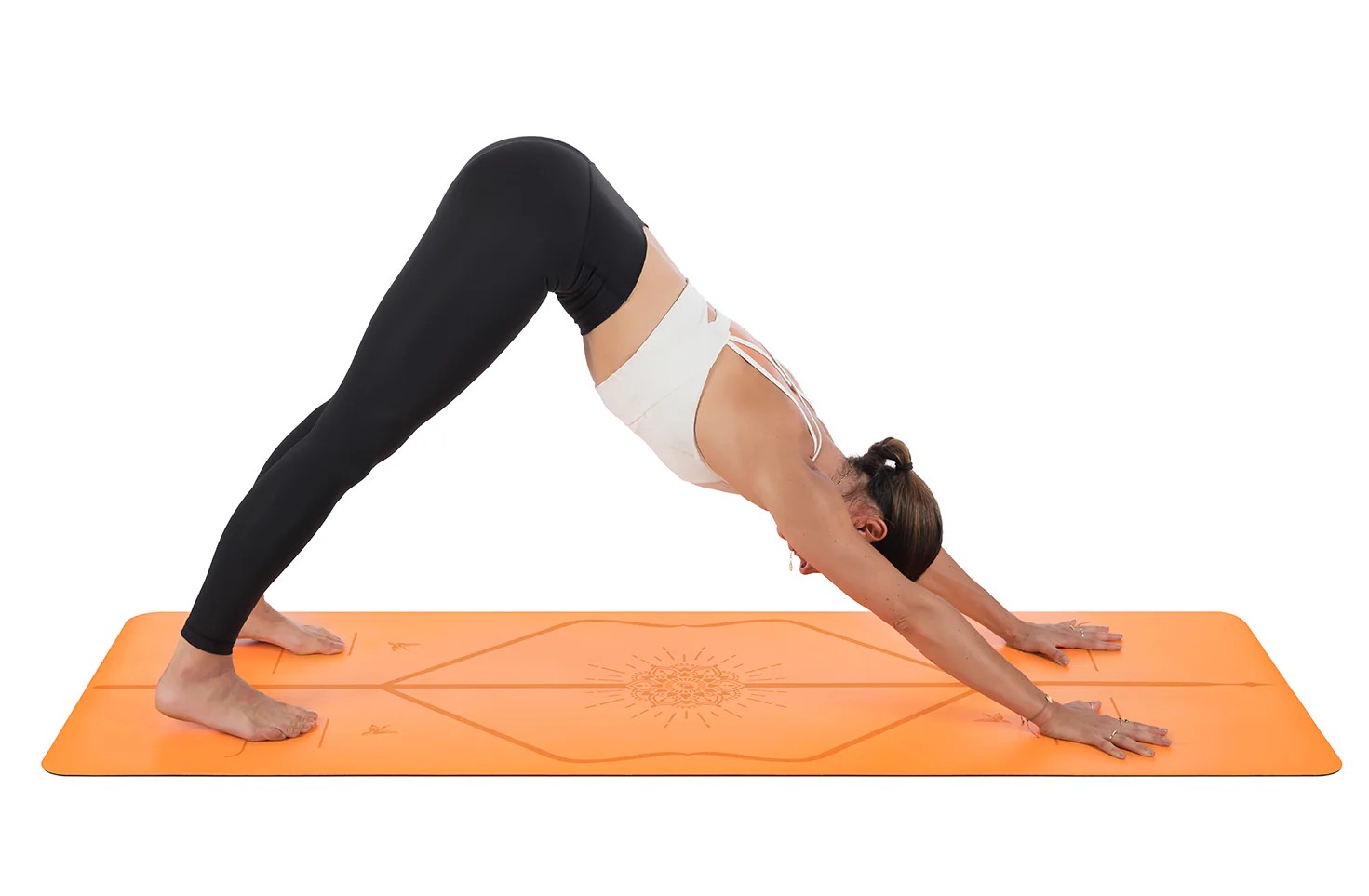
Downward-Facing Dog
Sanskrit Meaning: Adho (Downward) Mukha (Face) Svana (Dog)
Difficulty Level: Beginner
Pose Type: Standing
Benefits: Stretches the hamstrings and back muscles, strengthens the quadriceps, biceps, abs, and shoulders.
Cautions: Avoid inversion poses if you have glaucoma.
Why We Love It: A gentle inversion that stretches and strengthens every part of the body: legs, arms, back, and abs.
Detailed Steps:
- Start on your hands and knees. Curl your toes under and lift your hips up, straightening your arms and legs.
- Slightly bend your knees and elbows, letting your heels sink toward the floor.
- Bend one knee and straighten the other leg. Alternate sides to stretch the hamstrings.
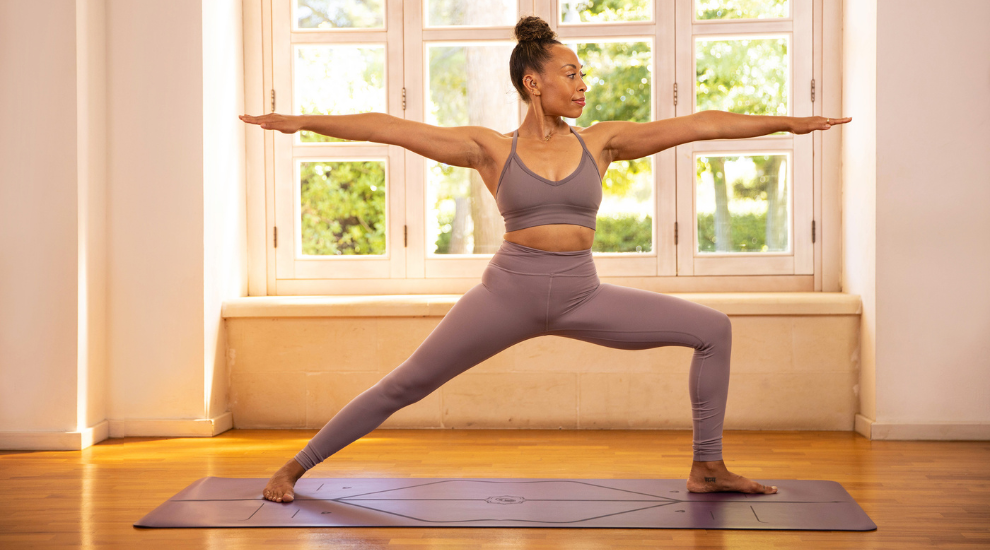
Warrior II
Sanskrit Meaning: Virabhadra (a Hindu warrior)
Difficulty Level: Beginner
Pose Type: Standing
Benefits: Strengthens the legs, back, arms, and core. Opens the hips, hamstrings, and chest.
Why We Love It: Ignites your inner fire to boost energy. Challenge yourself to keep your front thigh parallel to the floor.
Detailed Steps:
- Step your feet wide apart, with your toes parallel to the short edges of the mat.
- Turn your front foot so it's parallel to the long edge of the mat. Align your front heel with the arch of your back foot, using the center line of your mat as a guide.
- Bend your front knee over your ankle so your thigh is parallel to the floor.
- Lift your arms to shoulder height. Gaze over your front middle finger.
- Repeat on the other side.
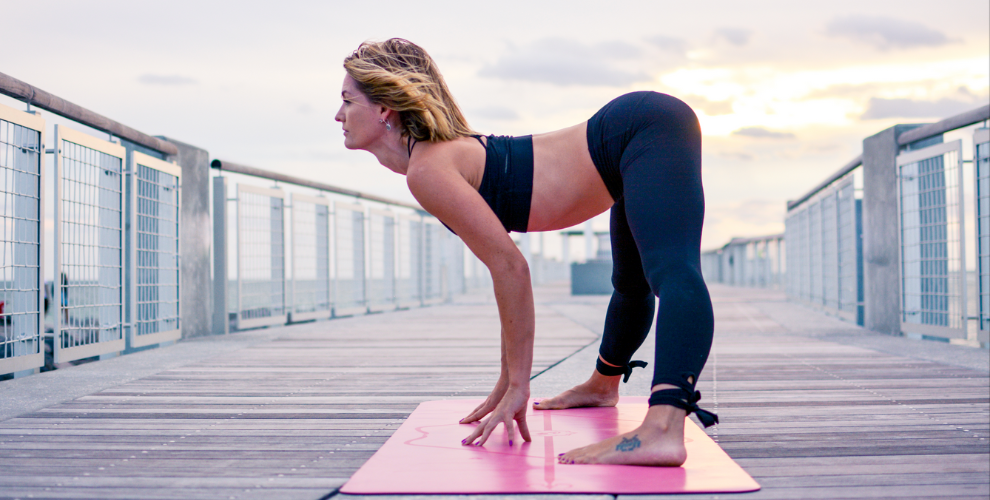
Wide-Legged Forward Bend
Sanskrit Meaning: Prasarita (Extended) Pada (Feet) Uttana (Intense)
Difficulty Level: Beginner
Pose Type: Standing
Benefits: Stretches the inner thighs, hips, glutes, and groin.
Cautions: Avoid inversion poses if you have glaucoma.
Why We Love It: Opens the backs of your legs in this forward-bending inversion. If you practice headstands, you can enter from here.
Detailed Steps:
- Step your feet wide apart, with your toes parallel to the short edges of the mat.
- Exhale, hinge forward from your hips, folding your torso over your legs.
- Engage your quadriceps to lift your kneecaps up, grounding your feet firmly.
- Inhale to lengthen your spine, exhale to deepen the fold.
- Let your head hang naturally.
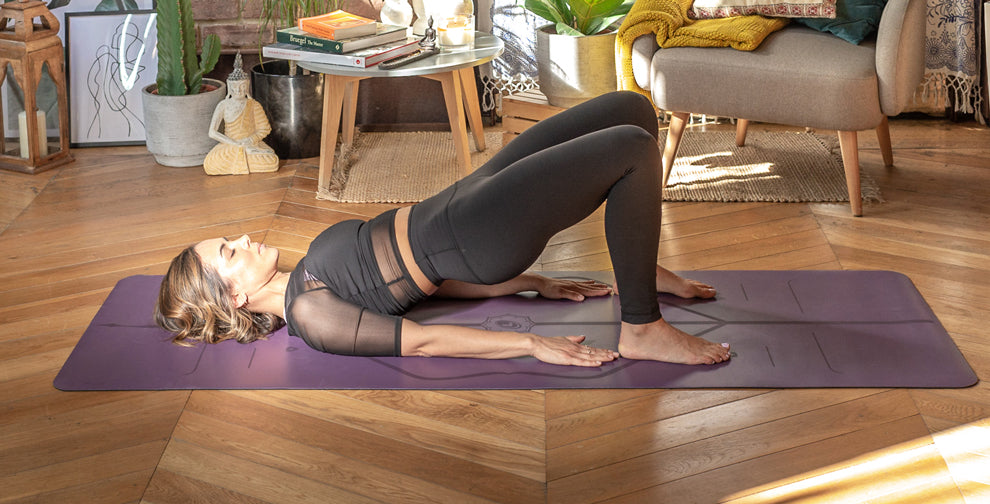
Bridge Pose
Sanskrit Meaning: Setu (Bridge) Bandha (Lock)
Difficulty Level: Beginner
Pose Type: Supine Backbend
Benefits: Strengthens the hamstrings, glutes, and quadriceps. Opens the chest and shoulders.
Cautions: Avoid if you have a neck injury.
Why We Love It: Opens the heart in a gentle backbend, countering the hunched posture we often adopt in cold weather. For a supported version, place a yoga block under your sacrum.
Detailed Steps:
- Lie on your back with your knees bent and feet flat on the floor.
- Ensure your knees are directly above your ankles.
- Inhale, press your feet into the floor, and lift your hips off the ground.
- Tuck your shoulders under one at a time to lift your sternum.
- Clasp your hands together behind your back.
- Lift your hips again.
- Lower your hips back to the floor, then lift two more times.
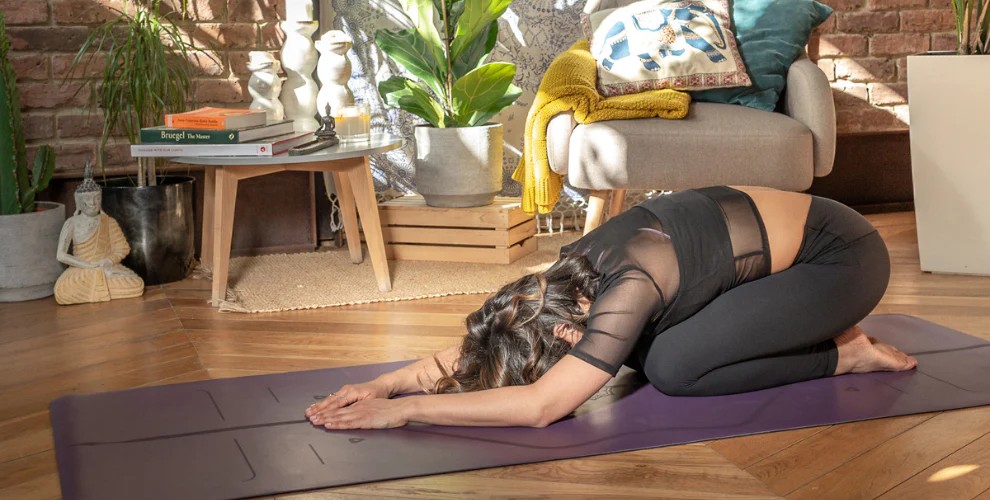
Child's Pose
Sanskrit Meaning: Bala (Child)
Difficulty Level: Beginner
Pose Type: Prone
Benefits: Stretches the thighs, calves, hips, shoulders, and back.
Why We Love It: Rests and restores while opening the hips and stretching the back.
Detailed Steps:
- Return to your hands and knees.
- Spread your knees wide toward the edges of the mat while bringing your big toes to touch.
- Sit your hips back toward your heels.
- Extend your arms forward or place them alongside your body.
- Rest your forehead on the mat.
Benefits of Yoga for Seasonal Depression
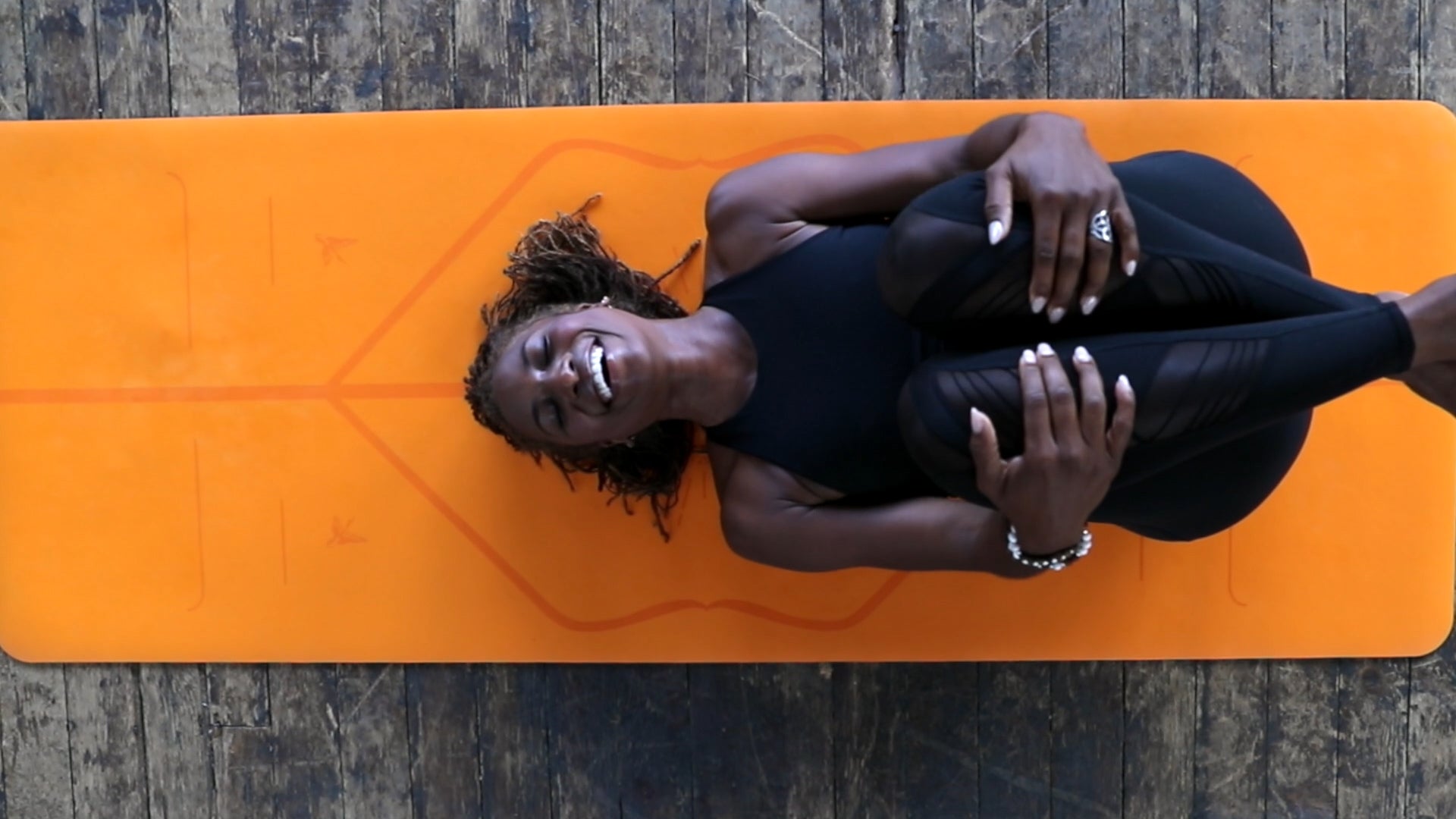
Yoga enhances your well-being in several ways.
- Improves Mood: It's a cliché but true: You'll never regret taking a yoga class because you always feel better afterward.
- Reduces Stress: Clearing your mind and moving your body for an hour releases physical tension and nervous system anxiety.
- Improves Sleep: A more relaxed body and mind naturally lead to better sleep, which is key to improving your overall outlook on life.
Tips for Staying Motivated When You Have SAD
Since low energy and lack of motivation are symptoms of SAD, it can be hard to make yourself do the very things that could help you feel better.
- Make a Commitment: Some find it helpful to sign up for a class series or online challenge, as they're more likely to follow through when there's a financial or public commitment.
- Buddy System: Another option is to find a buddy to practice with and hold each other accountable.
- Schedule Yoga Time: Find a consistent yoga time that fits your schedule, write it down, and stick to it.
Fighting the Blues
Our emotions naturally ebb and flow, but if you notice depression setting in like clockwork every winter, it might be time to evaluate whether you have Seasonal Affective Disorder. If you do have SAD, it can be a huge comfort to know that specific actions, including yoga, can help you start feeling better.