
A 3mm yoga mat is the thin tier: firm enough to hold balance poses, light enough to carry, but too thin for knee-heavy or floor-based work on hard ground. For B2B buyers, the practical question is not "is 3mm good" but which material you put at that thickness, because a thin mat hides nothing — the surface and the base do all the work. In the Printing Yoga catalog the thin tier sits between a 2mm foldable rubber mat and 4mm TPE and cork builds, so a "3mm" line is usually specified by choosing one side of that gap.
Where 3mm sits in the thickness ladder
Thickness buyers usually think in three bands. Travel-thin mats fold or roll into a bag and rely on the floor for support. Mid mats (the 4–6mm band) are the everyday studio default. Thick mats trade stability for cushion. A 3mm spec lands at the top of the thin band, which is why it attracts two very different end users: practitioners who want ground feel for standing and balance flows, and travellers who want a mat that is still a real mat, not a towel. Before you create a range, decide which of those two customers the product is for — the answer changes the material, not just the number on the spec sheet.
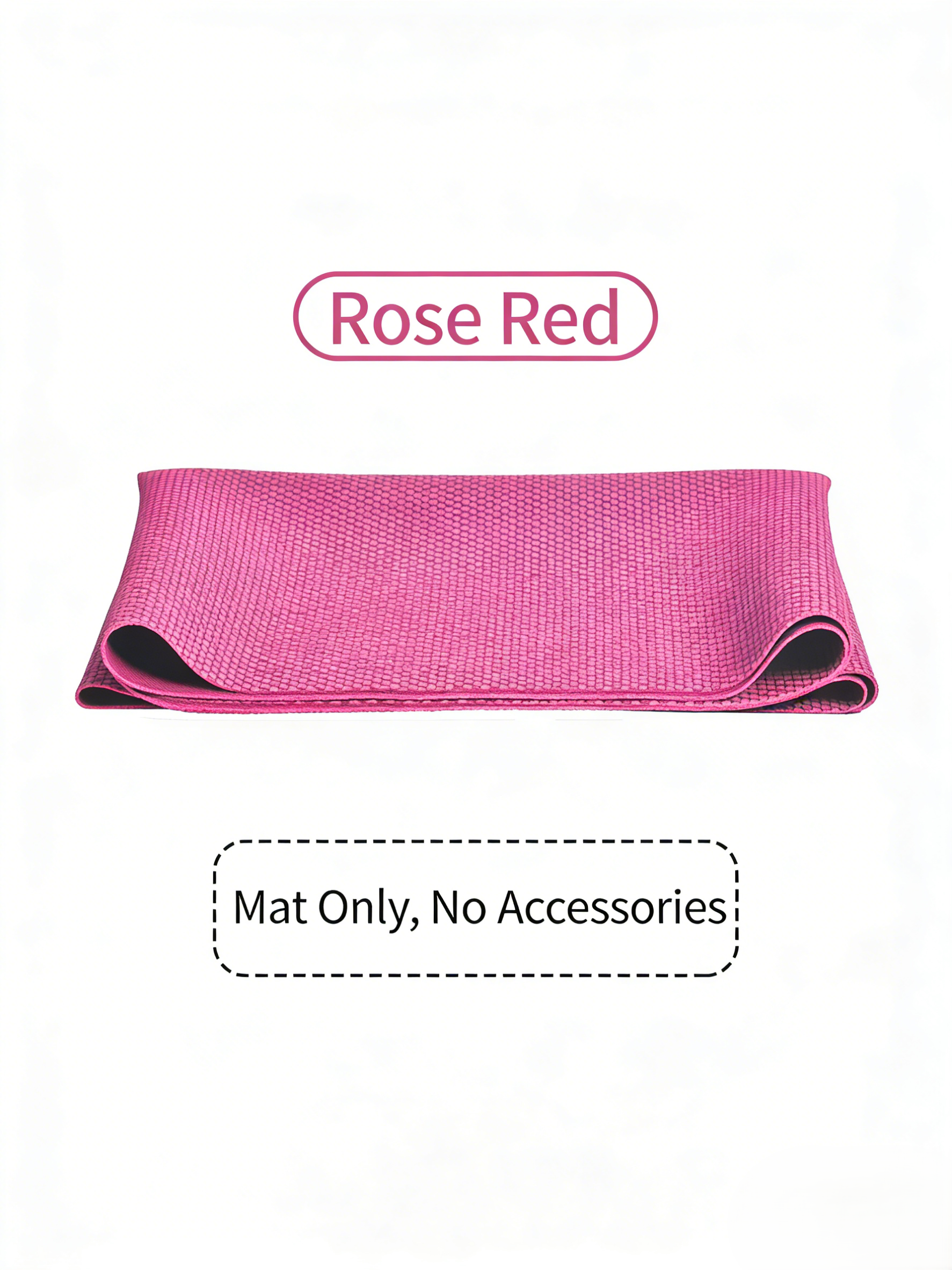
Nearest real builds around 3mm
We keep the details honest here: the builds below are the stocked options closest to a 3mm target, with their real sizes.
| Build | Material | Size (L*W*T) | Folds flat | Best fit |
|---|---|---|---|---|
| Foldable rubber mat | Rubber | 183*61*0.2cm | Yes | Travel, ground feel, carry-on bags |
| Matte foldable mat | Frosted PU + Rubber | 185*68*0.15cm | Yes | Premium travel, laser alignment lines |
| Foldable TPE mat | TPE | 183*61*0.4cm | Yes | Budget studio sets, gyms, trial orders |
| Cork + rubber mat | Cork + Rubber | 183*66*0.4cm | No (roll) | Sweaty hands, wider stance, premium retail |
What changes when a mat gets this thin
At 3mm the core cannot absorb much, so three details carry the product experience. First, surface grip: a rubber or cork face keeps traction without relying on a soft, compressible layer. Second, base density: a dense rubber base resists shifting on smooth floors, while a lighter foam can creep during flows. Third, flatness: a thin mat that curls at the ends is a returns problem, which is why folding builds are popular in this band — they lie flat as soon as they are opened. During sampling, ensure you test each of these on the floor type your end customer actually uses.
Verdict: should you spec a 3mm mat?
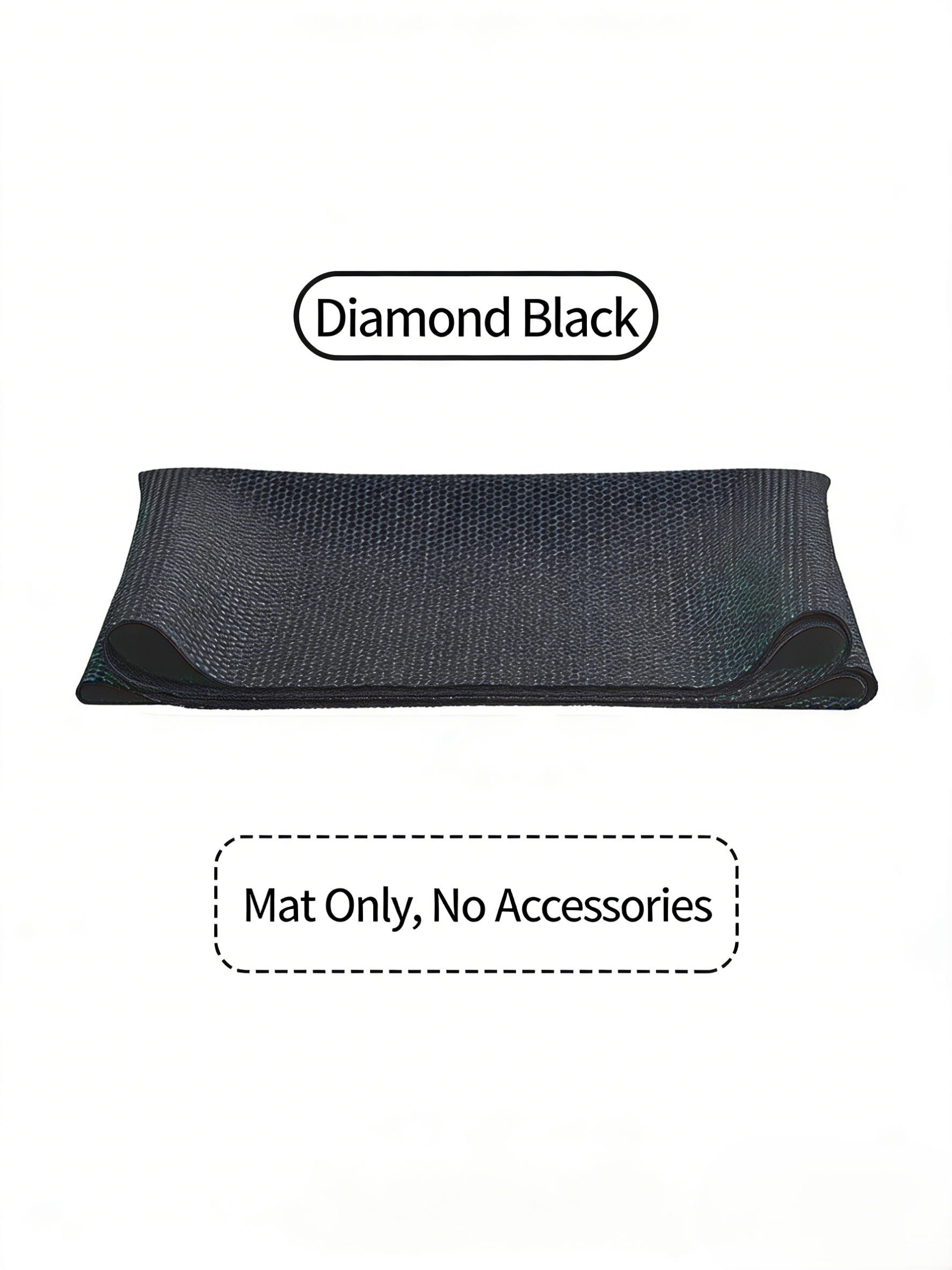
If you sell to travellers or hotel and retreat programs, a thin foldable rubber build is the strongest choice — it packs flat and still grips, and the 2mm rubber mat is the closest ready option.
If you supply studios or gyms that want a thin mat for balance-focused classes, the 4mm TPE or cork builds give a little more under the knees while keeping ground feel; the TPE version helps keep the per-unit cost of a class set down.
If you need a mat for hot classes with heavy sweat, lean toward the cork + rubber face at the 4mm end rather than the thinnest option, because a wet thin foam surface loses grip fastest.
If you are buying for restorative, seniors or knee-sensitive customers, a 3mm mat is not the right product — move up to the thicker tiers instead of asking a thin mat to do a cushion's job.
Printing and branding on thin mats
Thin mats are a good canvas for logos and designs because there is less bulk to compress the print. Alignment lines are available on these builds, and custom printing is offered through our OEM/ODM manufacturing services, so a private-label thin mat can carry your brand without a separate tooling step. Share the artwork details early so the print method matches the surface; our team can help you check production capacity and delivery timing against your launch. See our blog for more thickness and material guides.
FAQ
Is a 3mm yoga mat too thin?
For standing, balance and vinyasa practice on a smooth floor, no — many practitioners prefer the ground feel. For kneeling-heavy or floor-based sessions on hard ground, it is too thin, and a thicker tier is the better spec.
What is the difference between a 3mm and a 4mm yoga mat?
The extra millimetre mostly helps knees and wrists; a 4mm TPE or cork build still feels thin and stable, while a 2mm–3mm mat prioritises packability and floor contact.
Can a thin yoga mat still be non-slip?
Yes — at this thickness grip comes from the surface material, not cushioning. Rubber and cork faces keep traction better than soft foam when hands get damp.
Can I get a custom logo on a thin travel mat?
Yes. The foldable rubber, TPE and cork builds all support custom printing under our OEM/ODM service, and the foldable TPE mat lists a minimum order of 1 for trial runs.
Which thin mat is best for travel?
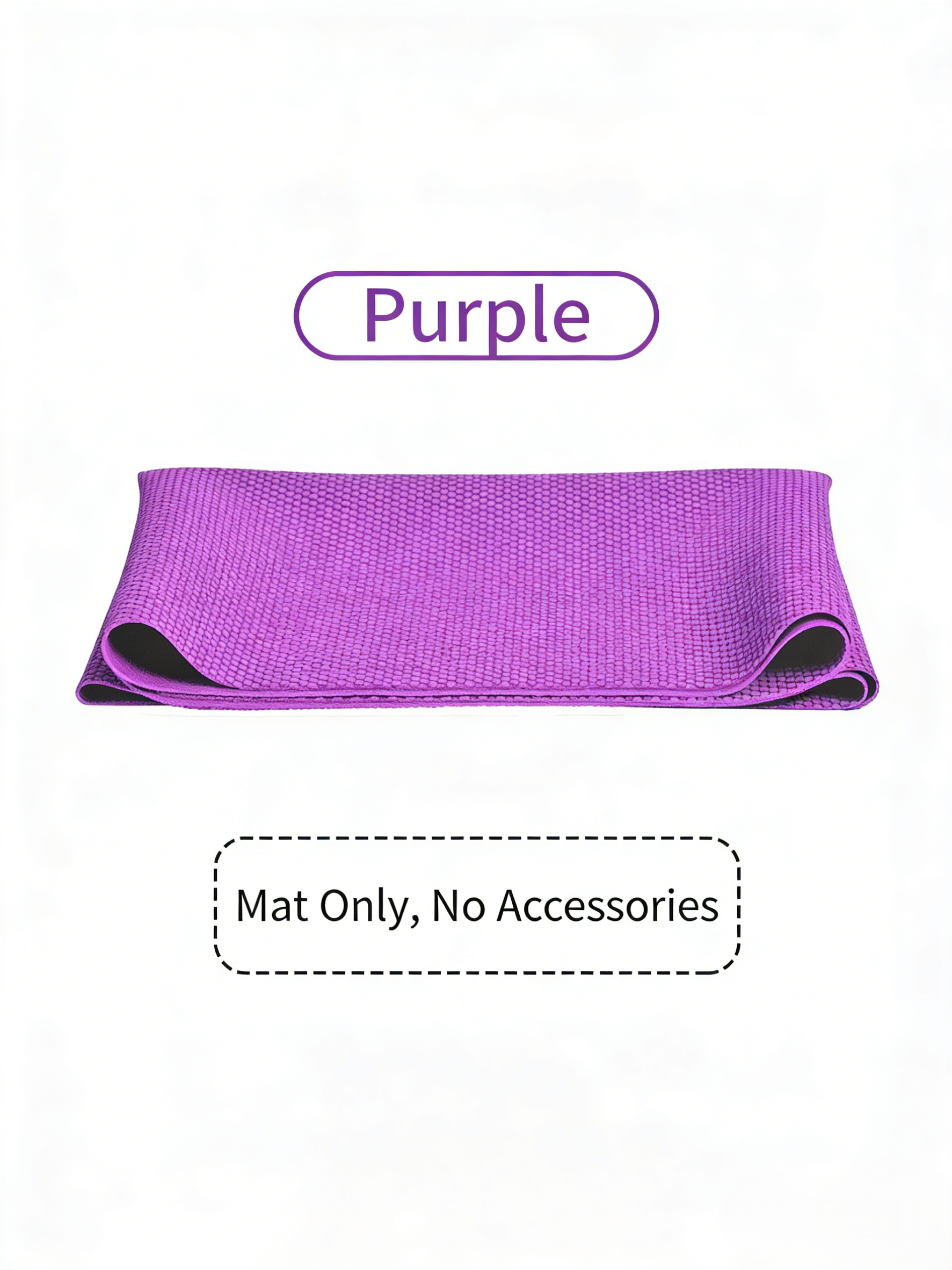
A foldable build: the 2mm rubber mat or the matte foldable mat both fold flat to pack in a suitcase, which a rolled cork mat cannot do.