The best yoga mat cleaner is the one your mat surface can tolerate, and that depends on what the top layer is made of, not on the label on the spray bottle. Printing Yoga manufactures yoga mats in natural rubber, PU-topped rubber, PVC, TPE and cork-rubber builds, in your own designs and colors. We do not make cleaning sprays, so this guide covers how each real mat surface behaves during cleaning, what to print on a care card, and how brands and studios ensure a cleaner never ruins the mat it was sold with.
Which cleaner is safe for which mat surface?
Cleaning damage is a surface problem. A harsh solvent can dull a frosted top, lift a printed design, or dry out a natural material, and the customer blames the mat, not the product they sprayed on it. Choosing the cleaner is therefore part of the mat specification, and it is worth settling before the first production run rather than after the first complaint.
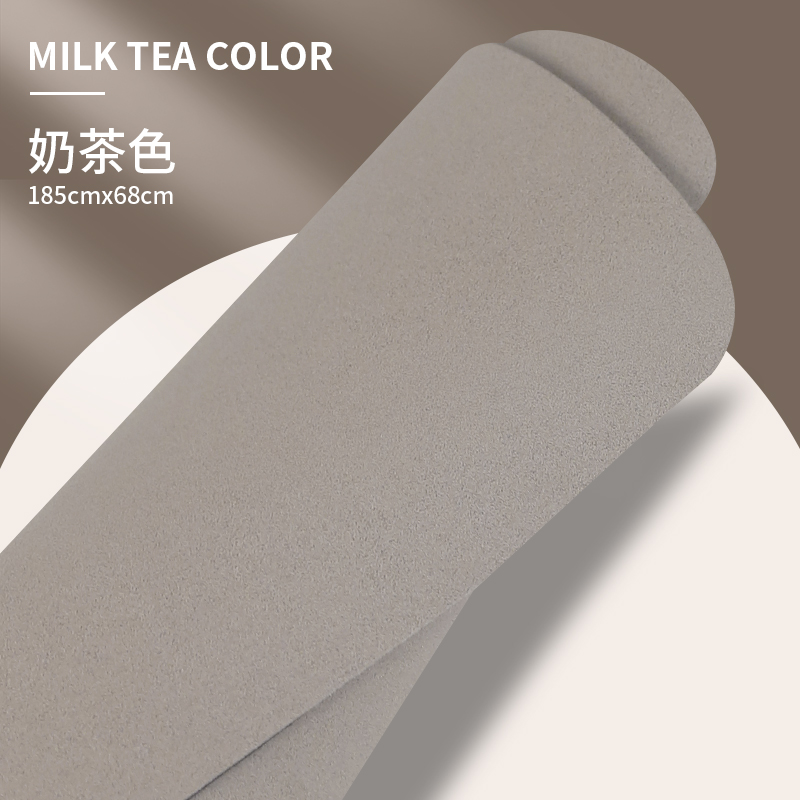
If you sell or run a studio with shared mats, pick a mild, plain wash and wipe-dry routine and print it on the care card. Frequent cleaning between users is the real stress test for a surface, so spec the mat for it. The Frosted PU + Rubber mat at 185*68*0.45cm is a sensible base for that kind of high-turnover use.
If you are bundling a mat with your own branded spray, test the formula on a sample of the exact surface you plan to sell before you commit to the bundle. A cleaner that is fine on PVC may not be fine on cork-rubber, so one spray rarely suits every mat in a range.
If you need us to manufacture or fill the cleaner itself, we are not the right supplier. Our manufacturing capacity covers yoga mats, meditation cushions and activewear, and bottled cleaning products sit outside the services we offer. We can still help you spec the mat so your own cleaner supplier has a clear surface to test against.
Mat surfaces and cleaning behaviour compared
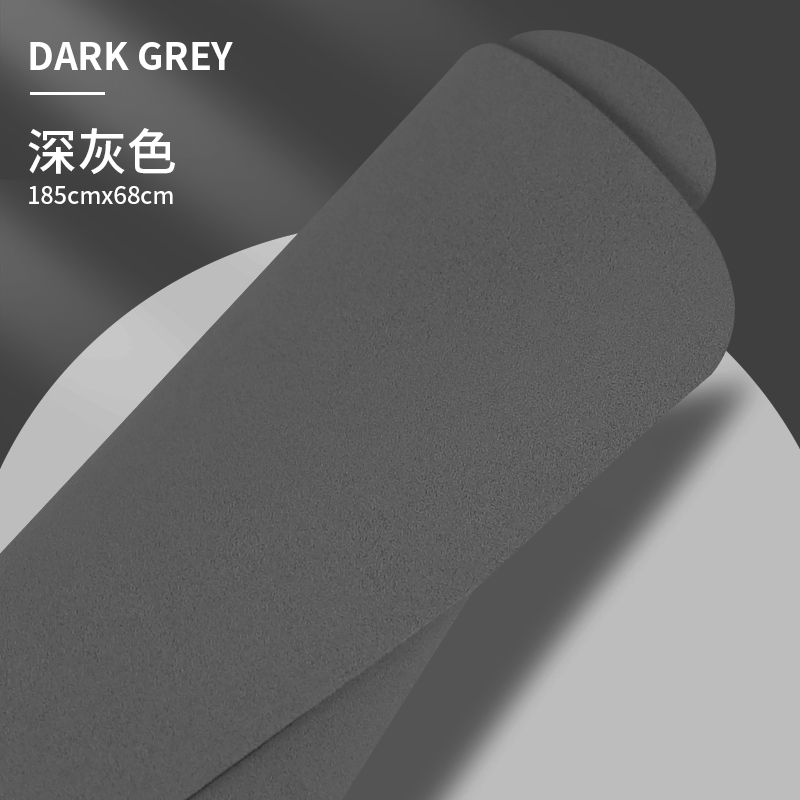
These are three mats we actually produce, with their real surface materials and dimensions, so you can match a care routine to each one.
| Mat | Surface material | Dimensions | Cleaning approach to put on the care card |
|---|---|---|---|
| Matte professional mat | Frosted PU + Rubber | 185*68*0.45cm | Mild wash, wipe dry; avoid harsh solvents that could dull the frosted finish |
| PVC premium mat | PVC | 183*61*0.6cm | Mild wash and wipe; the closed surface is straightforward to wipe down between uses |
| Cork + Rubber mat | Cork + Rubber | 183*66*0.4cm | Light damp wipe only; avoid soaking a natural cork top |
Treat the last column as a starting point for your own care card. Confirm the final wording against the exact surface and print method you order, because a printed design and a plain surface do not always react the same way to the same wash.
How to write a care card that protects the mat
A care card is cheap to print and it is the best defence against cleaning damage. Keep it short and specific to the surface: name the surface in plain words, say what to use, say what to avoid, and say to let the mat dry flat before rolling it. Buyers who print this on a hang tag or an insert see fewer claims about worn tops and faded designs, because the customer was told what to do on day one.
For studios, add a line about who cleans and when. Shared mats that are wiped after every class last longer than mats that are left damp in a rack, so the routine matters as much as the product. During sampling, ask us for the surface details and test your preferred cleaner on the actual sample before you order the full run.
What to specify when you order the mat
Make the cleaning requirement part of the brief, not an afterthought. Tell us the surface you want, the print or laser method, and the cleaner your customers are likely to use. Our team can then help you select a surface and finish that meets your care promise, and we can create the mat in your designs and colors with delivery planned around your launch. Having these details agreed up front is what lets you ship a high-quality product with an experience customers trust.
If you already have a cleaner in mind, send us its name or a sample and we will flag any surface it is likely to disagree with before production starts. That one conversation is far cheaper than a returned batch.
Frequently asked questions
What is the best yoga mat cleaner for a rubber or PU mat?
A mild, plain wash followed by a wipe dry is the safest default. Avoid strong solvents on a frosted PU top, since they can dull the finish. Test any branded spray on a sample first.
Can I use the same cleaner on every mat in my range?
Not always. PVC, PU + Rubber and Cork + Rubber surfaces respond differently, so a care card per surface is safer than one universal instruction.
Does cleaning affect a printed or laser-engraved design?
It can if the cleaner is harsh or the mat is scrubbed hard. Ask us about the print method for your order and wash-test a sample before you commit to the full run.
Do you make or fill yoga mat cleaner?
No. We manufacture the mats; the cleaner would come from your own supplier. We can help you spec the mat surface so that supplier knows exactly what to test against.
How should a studio clean shared mats?
Wipe each mat after use with a mild cleaner, let it dry flat, and avoid rolling it up damp. A written routine on the studio wall keeps staff consistent.