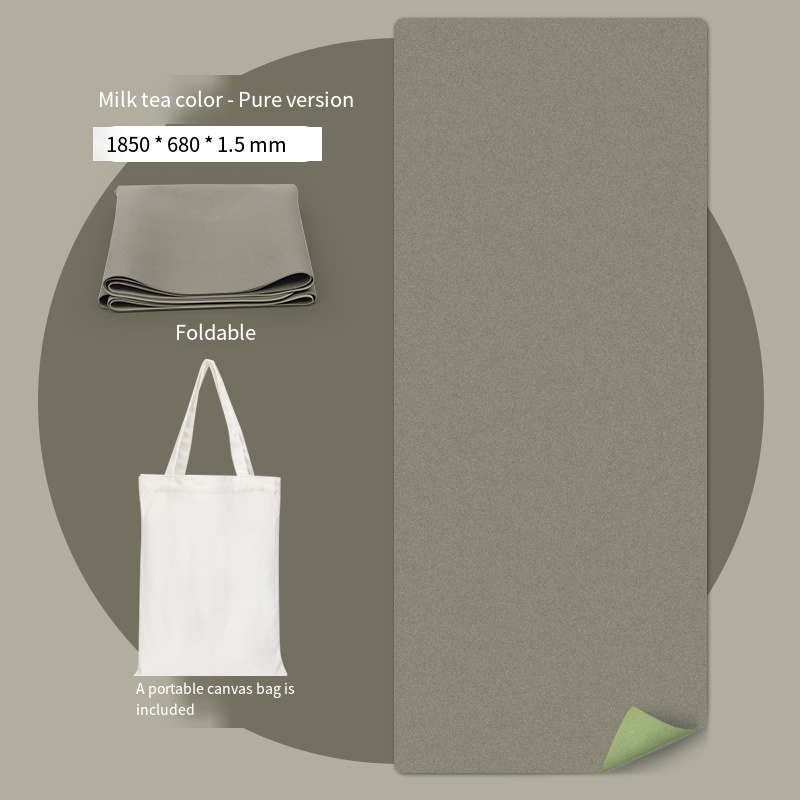
To pack a yoga mat for travel, roll a standard mat tightly with the top surface facing in and strap it to the outside of your bag, or fold a mat that was made to fold flat and lay it inside your luggage like a folded towel; the right method depends on the mat you own, not on the trip.
Most packing problems come from forcing one method onto the wrong mat. A thick rolled mat that gets folded keeps a crease, and a thin folding mat that gets rolled around a backpack arrives dusty and scuffed. This guide walks through both methods step by step, shows which Printing Yoga products are built for each, and lists the small details that keep a printed design looking the same after a week in transit.
Step one: find out whether your mat rolls or folds
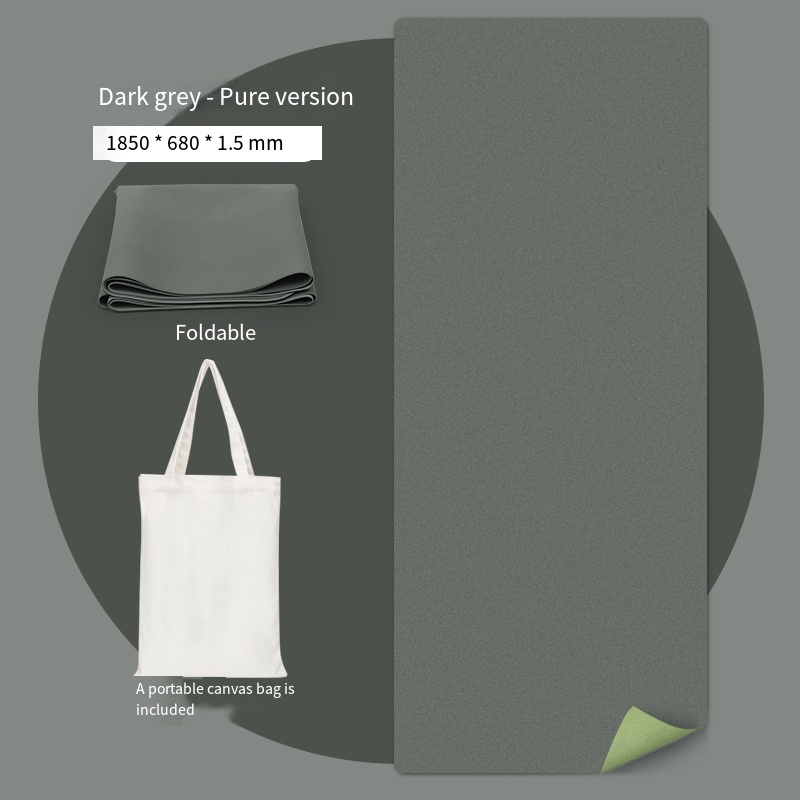
Look at the thickness before you look at the suitcase. A standard deck such as our PU + rubber 185*68*0.45cm mat is a rolling mat: the body is dense enough that a fold presses a ridge into it. A sheet such as the foldable frosted PU + rubber 185*68*0.15cm mat or the TPE 183*61*0.4cm folding mat is designed to fold flat and recover. If the product page does not say the mat folds, treat it as a rolling mat. We explain the reasons in more detail in Can You Fold a Yoga Mat?, so this article stays on the packing itself.
How to pack a rolling mat
- Wipe it and let it dry. A damp mat rolled tight stays damp for the whole journey and picks up a smell that is hard to remove in a hotel room.
- Roll with the top side in. Start from the end you stand on, keep the roll tight, and finish with the underside facing out. The grip surface and any printed design are then protected inside the roll, and the mat lies flat the moment you unroll it.
- Close the roll with a carry strap or two bands. A loose roll swells and no longer fits the straps on a bag. The strap also becomes a shoulder sling for airports and train platforms.
- Attach it to the outside of your bag. Slide the roll under the compression straps at the bottom or side of a backpack, or slip it under the handle of a wheeled case. A rolled mat belongs outside the luggage; inside, it takes up most of a cabin bag.
- Cover the ends if the trip is long. A mat bag, a dry bag or even a large plastic bag over the roll keeps rain, dust and conveyor-belt grime off the exposed edges.
How to pack a folding mat
- Clean and dry it flat. Fold lines trap moisture, so a folding mat must be dry before it goes into a case.
- Fold the printed side inward on the first fold. Bring the two short ends together with the top surface facing each other, then fold again until the pack matches the inside width of your case. The design is now face to face with itself and never touches zips, shoes or toiletries.
- Lay it on the bottom of the suitcase or against the back panel of a backpack. A flat pack adds almost no bulk, and it also acts as a stiffener that stops the bag sagging.
- Keep anything with hard edges off the fold lines. A charger pressed against a crease for several days marks the surface. Put soft clothing on top of the mat.
- Unfold it as soon as you arrive. Lay it flat, grip side up, for a short while before your first practice so the panels settle.
Travel-ready mats from the Printing Yoga range compared
| Mat | Material | Size | Listed weight | Packs as | Where it travels |
|---|---|---|---|---|---|
| Foldable matte professional mat | Frosted PU + rubber | 185*68*0.15cm | 1.25 kg | Folds flat | Inside luggage, like a folded towel |
| Foldable natural rubber mat | Rubber | 183*61*0.2cm | Varies by colour run | Folds flat | Inside luggage or a laptop sleeve |
| Economy folding mat | TPE | 183*61*0.4cm | 0.94 kg | Folds in panels | Inside a case or clipped to a backpack |
| Professional alignment-line mat | PU + rubber | 185*68*0.45cm | 2.9 kg | Rolls only | Strapped to the outside of a bag |
The weights are the listed figures for each product; a printed design does not change the weight, and colours within one product share the same specification.
If you are packing for a particular kind of trip
If you fly with cabin luggage only, pack a folding mat inside the bag. A rolled mat strapped to the outside may be counted as a second item by some airlines; the detail on allowances is in Can I Bring a Yoga Mat as a Carry On?.
If you drive or take a train, bring the mat you practise on at home. Roll it, strap it, and put it on the back seat or luggage rack; there is no need to give up cushioning for a trip where weight does not matter.
If you are packing a printed or custom-designed mat, always put the printed face inward, whether you roll or fold, and keep a thin cloth between the mat and any bag with rough lining. The print on our PU and rubber decks is applied to the top layer, so the top layer is what you protect.
If you expect to practise mostly on carpet or a soft hotel floor, a 0.15cm or 0.2cm folding sheet is enough, because the floor supplies the cushion.
If you want knee and hip padding on hard floors away from home, do not pack a folding sheet and expect it to behave like a studio mat. A thin folding mat is a grip layer, not a cushion. Either accept the rolled mat on the outside of the bag or put the folding mat on top of a hotel towel for floor work. This is the one case where the packing question is really a mat-choice question, covered in Travelling With a Yoga Mat: Which Mat Survives the Trip.
Small details that protect the mat during the journey
- Dry before packing, every time. Moisture is the cause of almost every travel-mat complaint we hear, from smell to a tacky surface.
- Keep sunscreen and oils away from the surface. They soften a PU top layer and leave dark patches on natural rubber. Pack toiletries in a sealed pouch on the other side of the case.
- Do not leave the mat in a hot car boot. Heat makes rubber go soft and lets fold lines set.
- Air it on arrival. Unroll or unfold the mat and lay it flat for a short while before the first session.
- Wipe it after the last practice of the trip. Packing a clean mat for the way home takes less effort than cleaning a mat that has been sealed in a case for days.
What brands should specify when customers will pack the mat
If you are a yoga brand, a retreat organiser or a studio that sells mats customers carry on trips, the packing method should be decided at the specification stage, not discovered by the customer. At Printing Yoga we make folding and rolling decks to the same quality standards, so the choice is about use, not about compromise. A few details help the enquiry go faster:
- Say which packing style you want. "Folds flat into a cabin bag" and "rolls and straps to a backpack" lead to different products, different thicknesses and different carrying accessories.
- Decide where the design goes. Our printed designs sit on the top layer; laser-engraved alignment lines are available on the frosted PU folding mat and the professional rolling mat, so a travel range can match the look of the studio range.
- Ask about weight, not only thickness. The listed weights above are what a customer carries through an airport. Thickness alone does not tell them that.
- Plan the carry accessory with the mat. A strap, a mat bag or a sleeve is a separate product with its own lead time; ordering them together ensures they ship as one delivery.
- Ask for a sample before the bulk run. Minimum order quantities, delivery times and prices vary by product and are quoted per enquiry. Folding a sample a few dozen times and checking the crease is a ten-minute test that saves a season of returns.
We work with brands that already have their own designs and with brands that are still choosing between a folding and a rolling range; in both cases the first step is a sample, and our team can advise on which deck matches the way your customers actually travel.
Frequently asked questions
Should a yoga mat be rolled or folded for travel?
Roll any mat of standard thickness and fold only mats that were built to fold. A mat of 0.45cm or thicker keeps a crease when folded; a 0.15cm, 0.2cm or 0.4cm folding mat recovers after it is laid flat.
How do I pack a yoga mat in a suitcase?
Fold a folding mat with the printed side inward and lay it flat on the bottom of the case under your clothes. A rolling mat does not pack well inside a suitcase; strap it to the outside or carry it separately with a strap.
Which way should the mat face when I roll it?
Top side in. The surface you practise on is protected inside the roll, and the mat lies flat instead of curling at the ends when you unroll it.
How do I stop my mat smelling after a trip?
Pack it dry, never seal a damp mat, and unroll or unfold it as soon as you arrive. Wipe it with a mild cleaner and let it air before you pack it for the return.
Can a folding mat be printed with our own design?
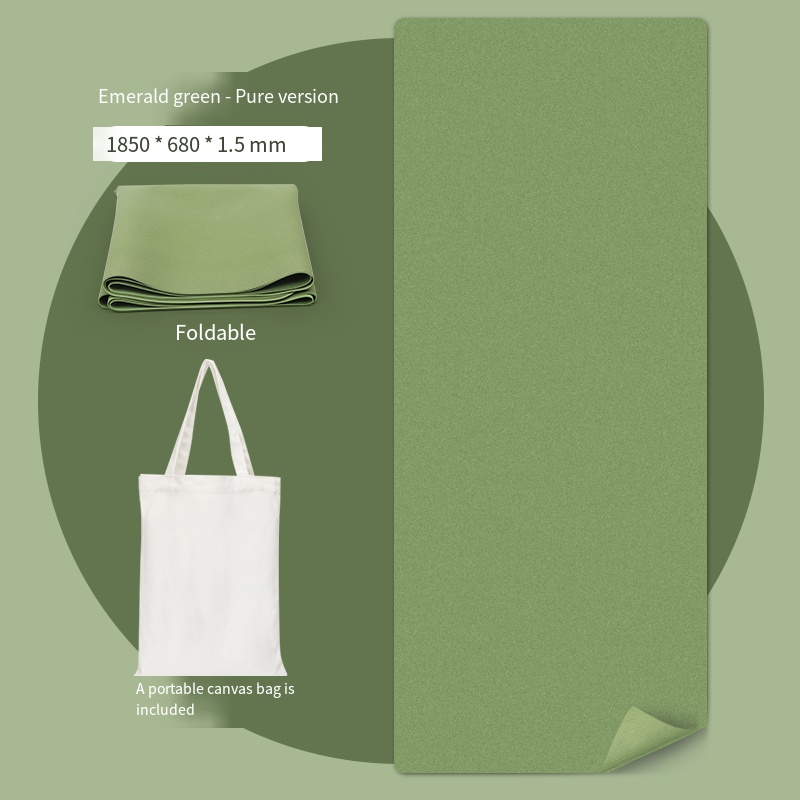
Yes. The foldable frosted PU + rubber mat and the TPE folding mat are both available as custom products, and the design is printed on the top layer, which is the side you fold inward when packing. Order quantities and lead times vary by product; ask us for the current details.
The short version
Packing a yoga mat for travel comes down to one decision: roll it if it is a standard mat, fold it if it was made to fold. Roll with the top side in and strap it to the outside of your bag; fold with the print inward and lay it flat inside your luggage. Pack it dry, keep oils and heat away from it, and air it when you arrive. If you want a mat that disappears into a cabin bag, choose a folding deck from the start; if cushioning on hard floors matters more, carry the rolled mat and accept the bulk.